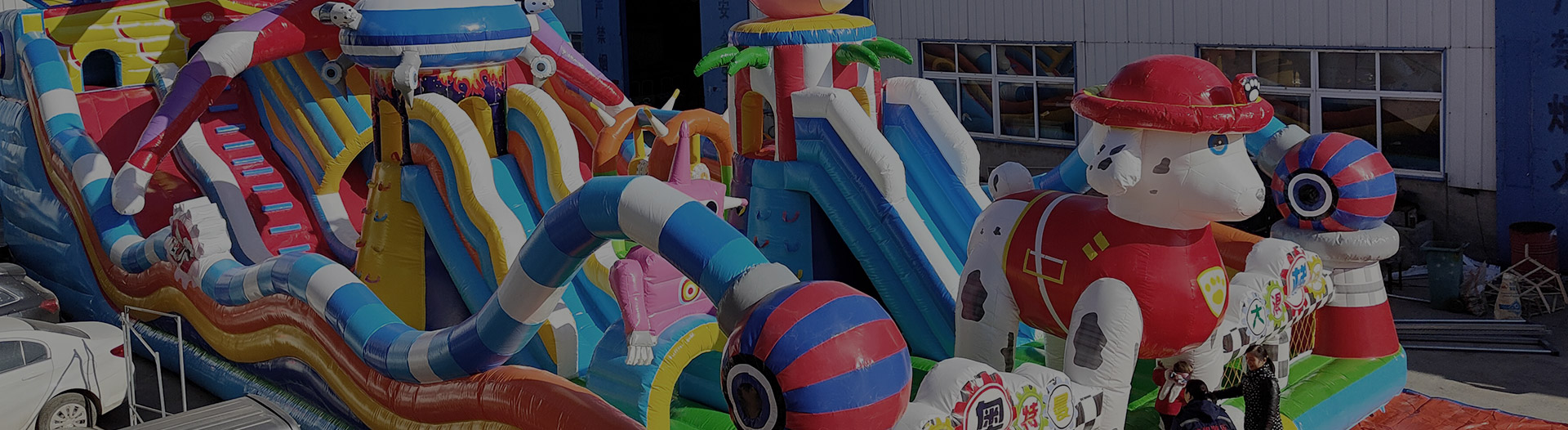
If you want to make a profit running a children's indoor playground, the choice of equipment is crucial.
Many investors recognize the opportunities in the children's consumer market and aspire to open a children's indoor playground. However, once the planning process begins, they realize that every stage—from site selection and equipment procurement to ongoing operations—impacts the ultimate profitability.
To ensure the business is profitable, one cannot focus solely on décor and equipment purchases; comprehensive planning and the mitigation of investment risks are far more important. Selecting the right equipment is a critical step in this process. The most expensive equipment is not necessarily the best, nor does a higher volume of equipment guarantee greater profits; instead, the selection must be carefully tailored to the venue size, the target age group, and local spending habits and economic levels.
The location of a children's playground determines foot traffic.
When opening a children's indoor playground, the primary consideration is foot traffic; while many owners focus solely on rent, securing a suitable location is actually crucial.
An ideal site is typically situated near areas frequented by families—such as shopping malls, residential communities, commercial streets, or areas near schools—and offers convenient transportation, making it easy for parents to park and drop off or pick up their children.
A poor location choice makes it difficult to generate a steady stream of customers and revenue, even with a significant investment in playground equipment. Therefore, conducting thorough market research before investing is essential to understand the local child population, consumer spending power, and the competitive landscape.
The size of the site determines the equipment configuration.
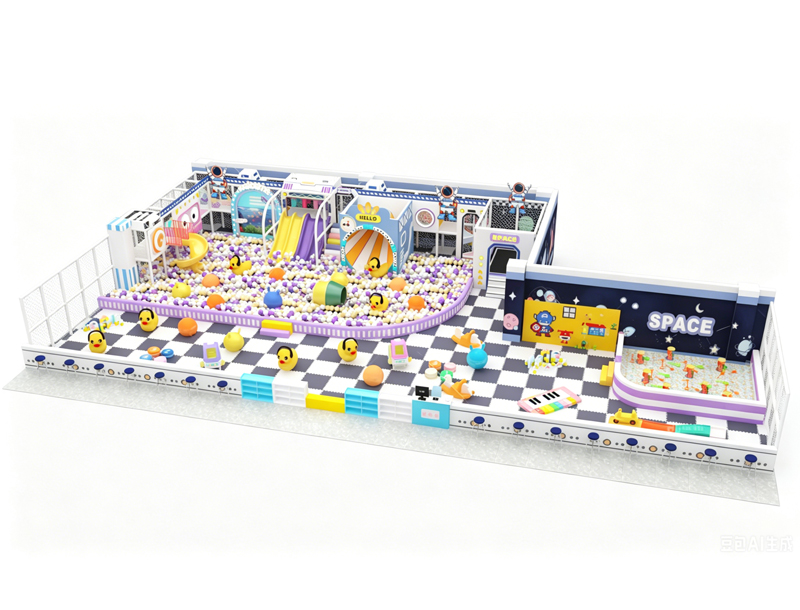
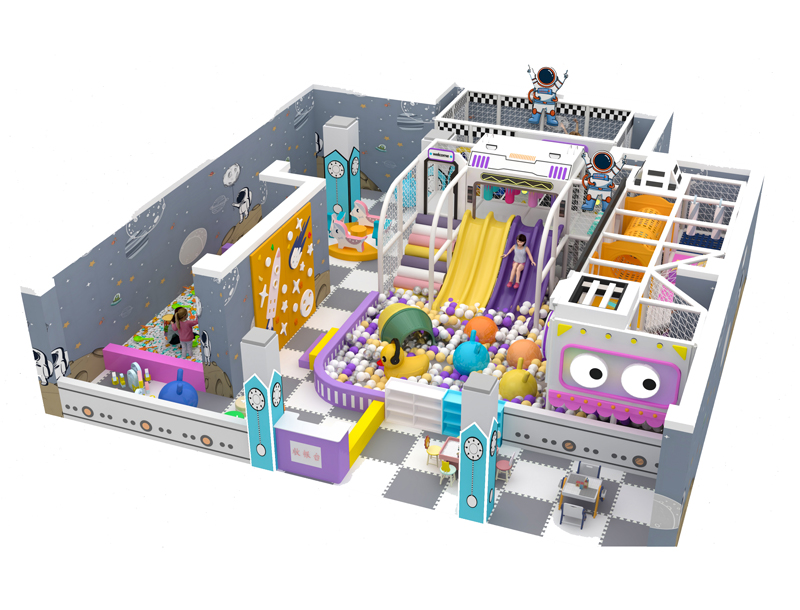
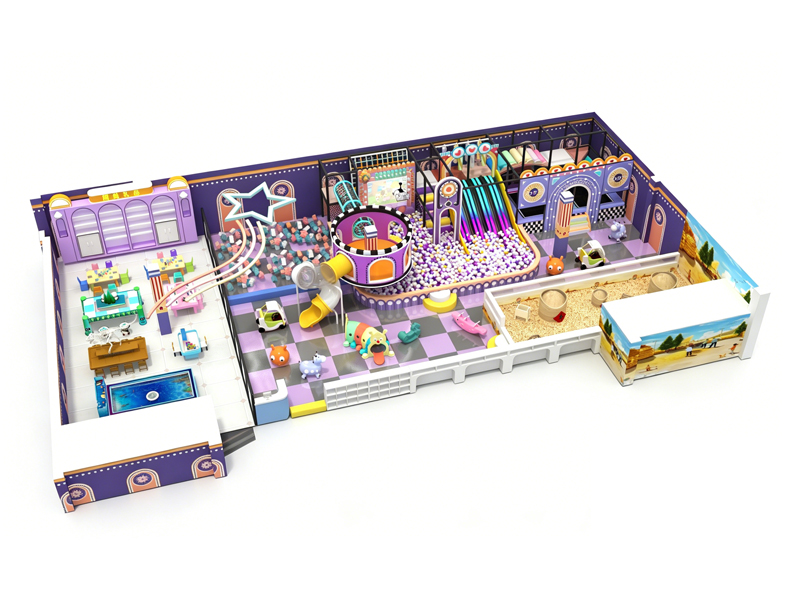
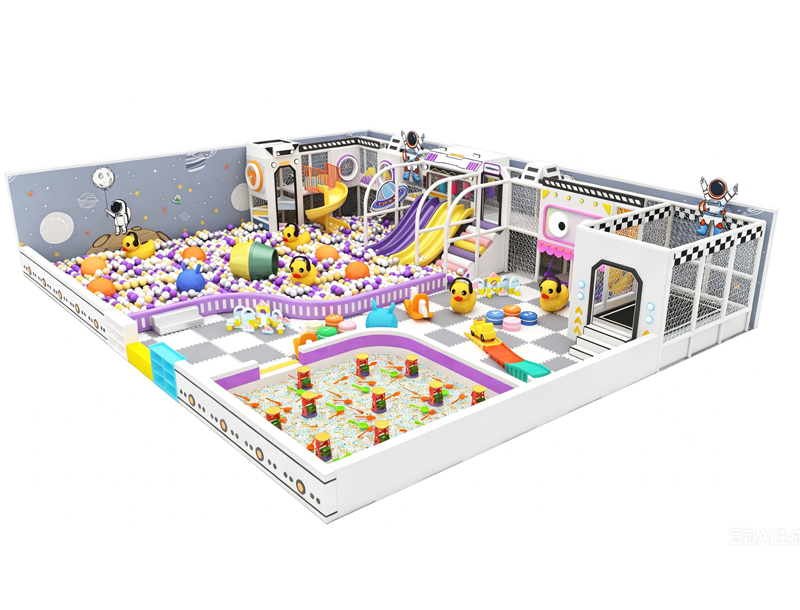
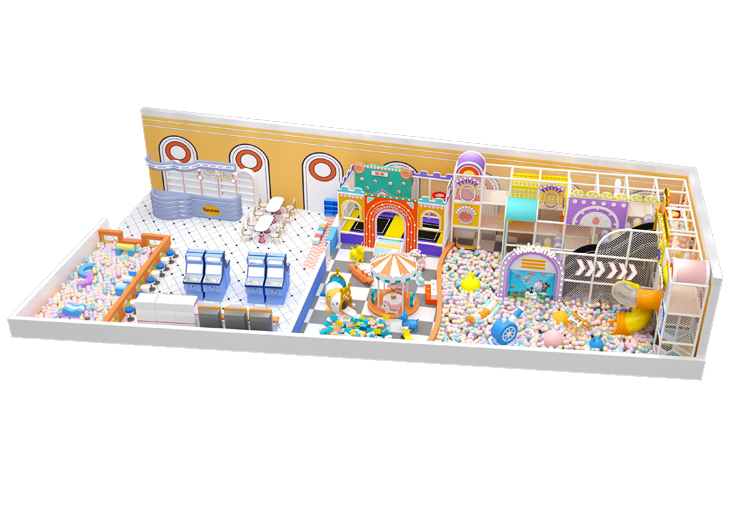
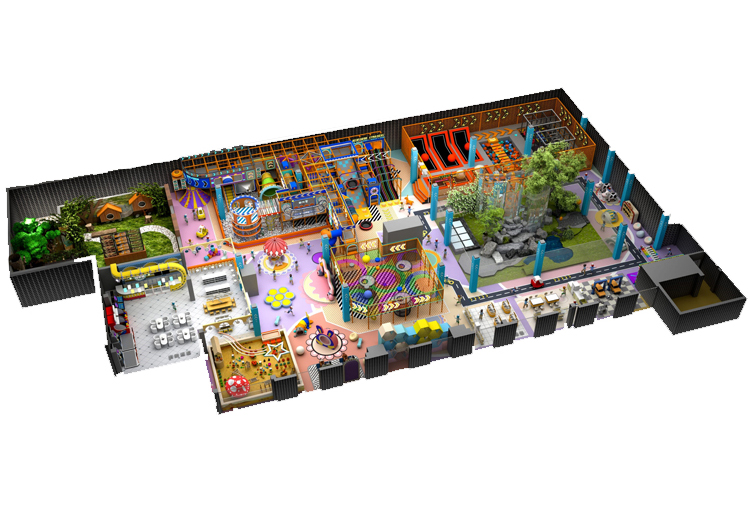
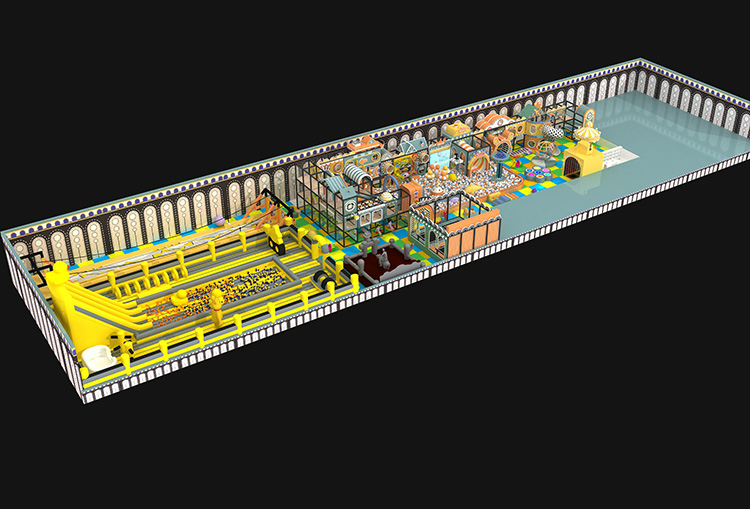
Children's playgrounds of different sizes require tailored equipment solutions.
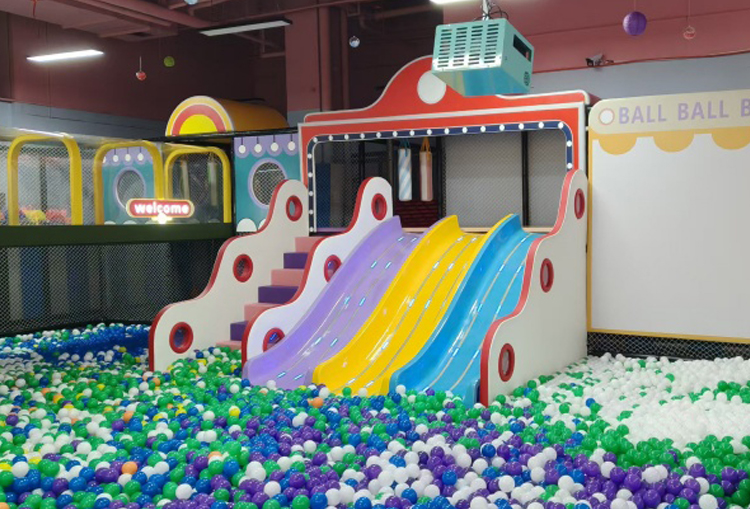
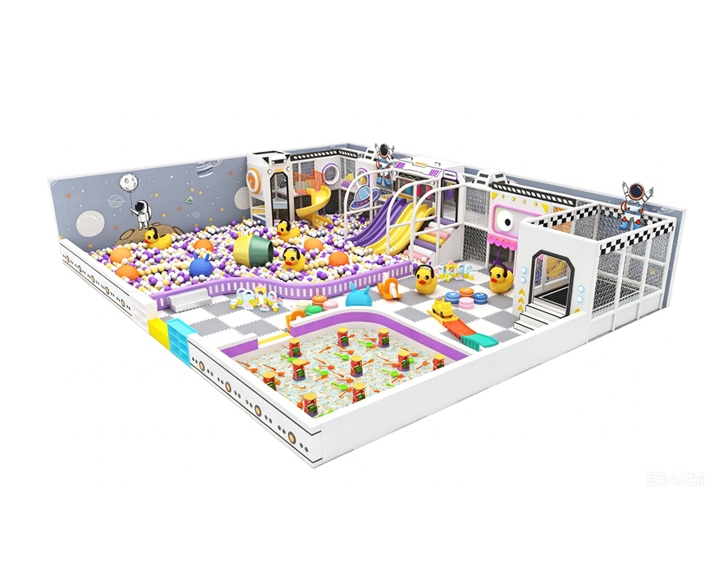
For smaller playgrounds, the priority is maximizing space efficiency; features such as indoor soft play structures, slides, sand pits, and interactive games are suitable options.
For medium-to-large playgrounds, the goal is to extend the duration of children's visits; incorporating large modular slide systems, trampolines, climbing structures, and parent-child interactive equipment can help boost revenue opportunities.
Many investors simply copy plans used by others, but since consumer habits vary by region, a design specifically suited to the local context is more likely to generate sustainable and stable returns.
Safety is more important than price when it comes to children's playground equipment.
When purchasing equipment for children's playgrounds, most people prioritize cost; however, safety is a factor that cannot be overlooked.
Low-priced equipment may require a smaller initial investment, but it often leads to increased maintenance costs and safety risks down the line. Since the target audience consists of children, factors such as material quality, manufacturing processes, and safety design must be given serious attention.
When selecting a manufacturer, the primary focus should be on their production experience, past projects, and after-sales service capabilities. A professional manufacturer offers more than just equipment; they provide services such as site planning, design proposals, and installation guidance, making the investment process much more worry-free.
The pricing model affects profitability.
The pricing strategy for a children's indoor playground requires careful advance planning.
Common options include single-visit tickets, as well as monthly, quarterly, and annual passes. Single-visit tickets lower the barrier to entry for a first-time experience, while membership cards foster customer loyalty, encouraging parents to bring their children back repeatedly.
When setting prices, one should not blindly aim for the lowest rates but rather align pricing with local spending power. Strategies such as holiday promotions, parent-child events, and membership discounts can help boost the customer return rate.
Post-launch operations determine long-term returns.
The process does not end with the purchase of playground equipment; ongoing operations are equally important.
At a minimum, the equipment must be kept clean and safe. Beyond that, offering services such as birthday parties, parent-child activities, and themed events can help boost revenue.
A successful modern children's playground offers more than just play areas for kids; it creates an environment where families can relax and enjoy leisure activities together. Generating stable profits requires a space that appeals to children while encouraging parents to stay.
While opening a children's playground may seem straightforward, every step—from site selection and design to equipment procurement and operational management—impacts the project's success. Partnering with a professional manufacturer and developing a comprehensive plan helps minimize the costs of trial and error and increases the likelihood of a successful investment.