The Ultimate Guide to How to Choose and Setup a Kids Indoor Playground
Are you considering opening a kids indoor playground? Whether you're an entrepreneur looking to invest in the booming children's entertainment industry or a community center manager hoping to add value to your facility, selecting and setting up the right indoor play space is a critical decision that can determine your success.
In this comprehensive guide, we'll walk you through everything you need to know about choosing and setting up a kids indoor playground that children will love and parents will trust.
Why Invest in a Kids Indoor Playground?
Before diving into the how-to, let's understand why kids indoor playground businesses are thriving:
Year-round revenue: Weather doesn't affect indoor play spaces
Recurring customers: Birthday parties and memberships create steady income
Parent appeal: Safe, controlled environments where kids burn energy
Multiple revenue streams: Admissions, parties, café, retail sales
Step 1: Market Research and Location Selection
Understanding Your Target Audience
The success of your kids indoor playground starts with knowing who you're serving. Consider:
Age range: Will you focus on toddlers (0-5), older kids (5-12), or all ages?
Income demographic: This affects pricing strategy
Local competition: What's missing in your area?
Location Considerations
Your kids indoor playground needs visibility and accessibility:
Foot traffic: Near family-oriented retail or restaurants
Parking: Ample space for strollers and minivans
Ceiling height: Minimum 12-15 feet for multi-level structures
Square footage: 2,000-5,000 sq ft is typical for profitable operations
Pro tip: Look for locations near children's clothing stores, toy shops, or family restaurants to benefit from complementary traffic.
Step 2: Designing Your Kids Indoor Playground Layout
Zoning Your Space
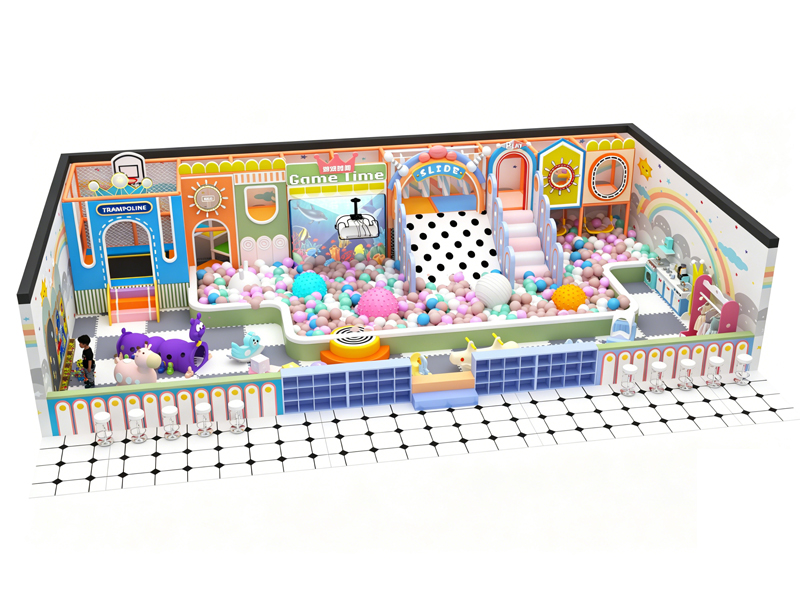
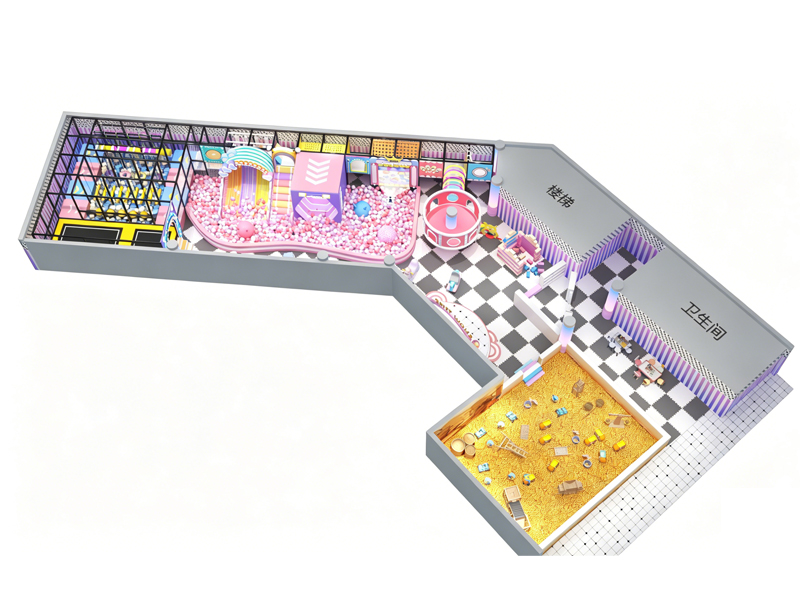
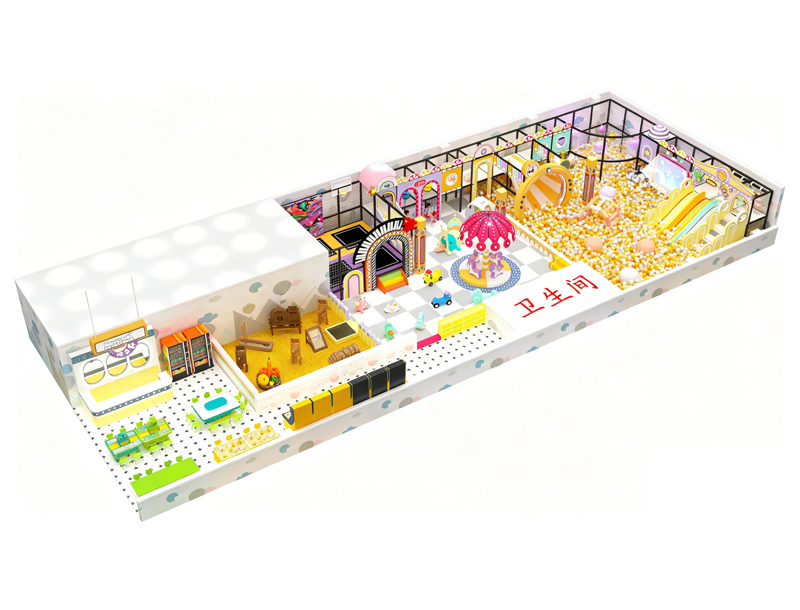
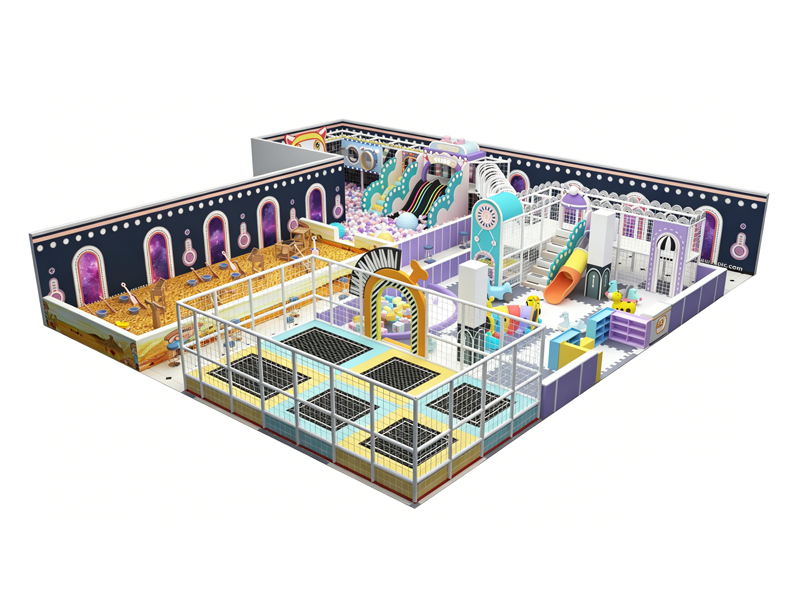
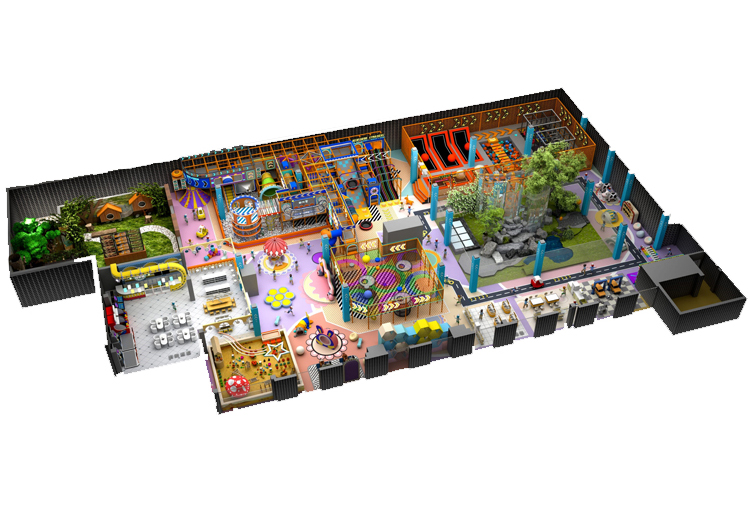
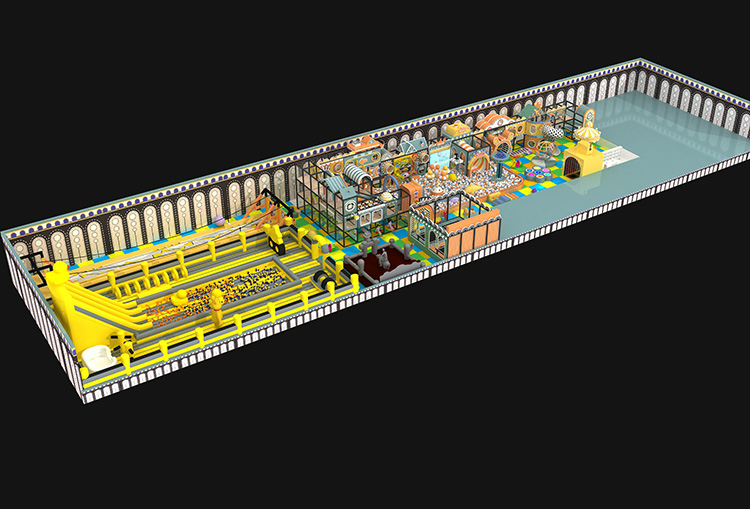
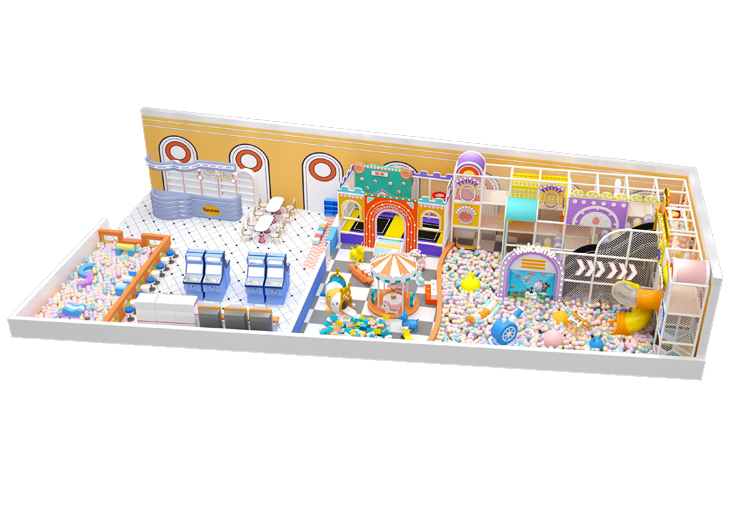
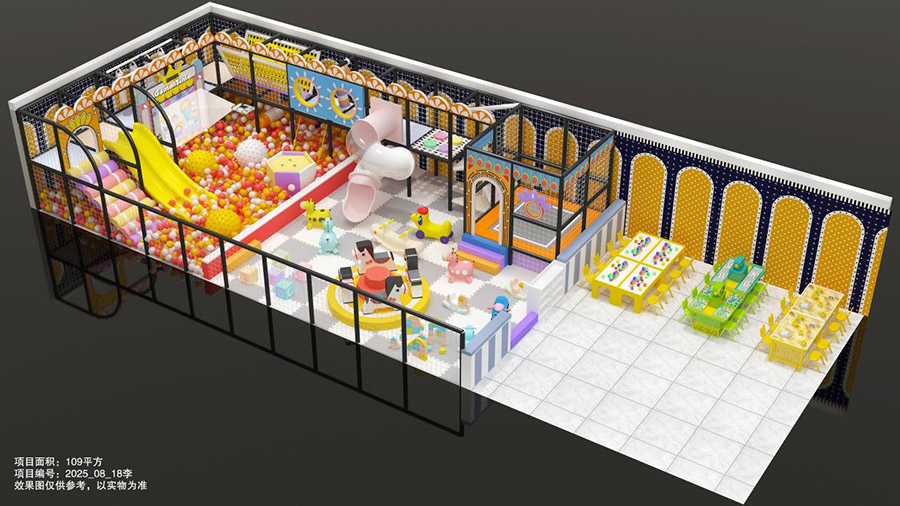
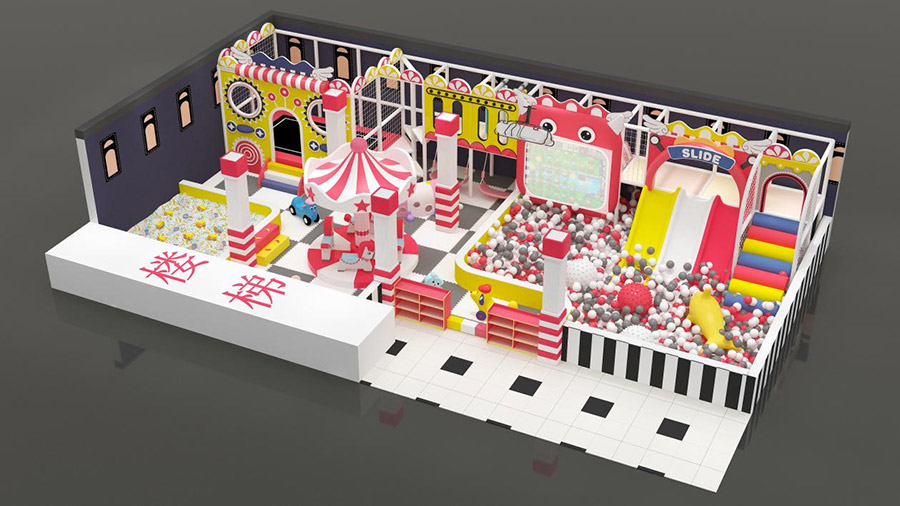
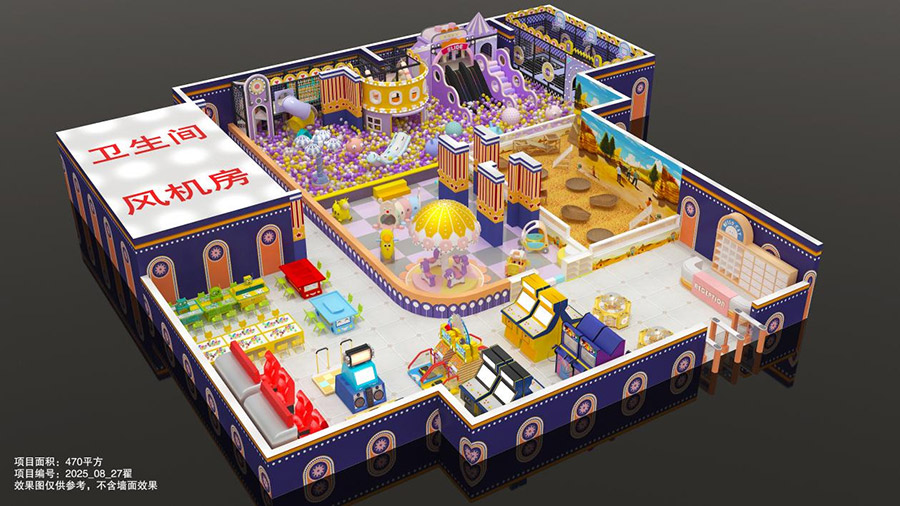
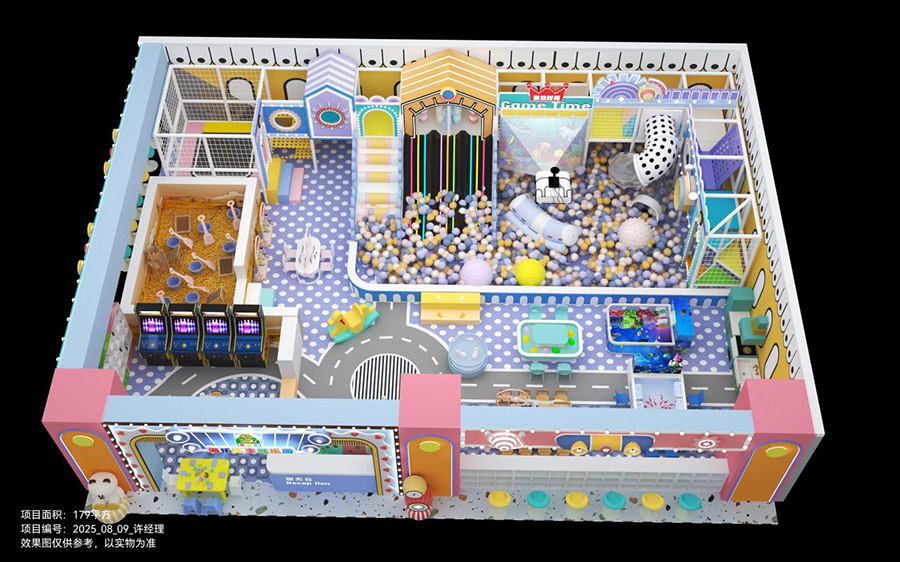
A well-designed kids indoor playground includes distinct areas:
1.Main play structure zone: The centerpiece with slides, tunnels, and climbing elements
2.Toddler area: Separate, softer equipment for little ones
3Party rooms: Private spaces for birthday celebrations
4.Parent lounge: Comfortable seating with WiFi and maybe a café
5.Shoe-off area: Clean transition space
Flow and Safety
When planning your kids indoor playground, consider:
Sight lines: Parents should see their kids from anywhere
Emergency exits: Clearly marked and unobstructed
Traffic patterns: No bottlenecks at popular attractions
Step 3: Selecting Equipment for Your Kids Indoor Playground
Quality and Safety Standards
This is where expertise matters most. Your kids indoor playground equipment must meet:
ASTM (American Society for Testing and Materials) standards
CPSC (Consumer Product Safety Commission) guidelines
Local fire and building codes
Types of Play Equipment
Equipment Type Best For Considerations
Multi-level soft play Ages 2-8 Maximizes vertical space
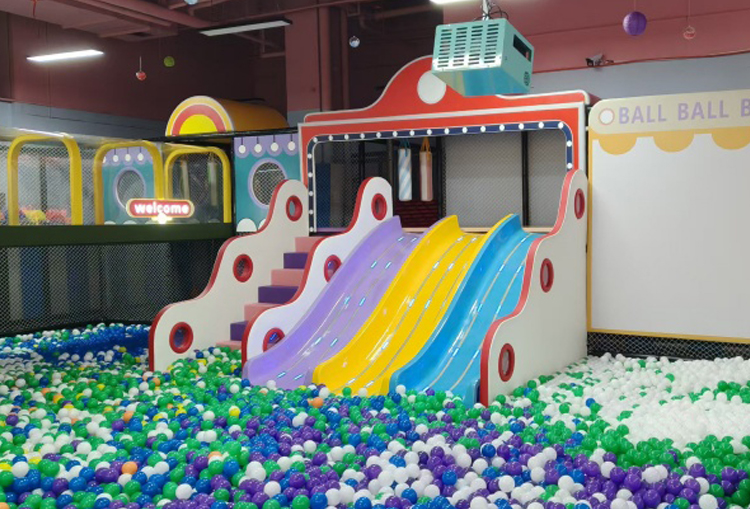
Slides and ball pits All ages High fun factor, easy to clean
Climbing walls Ages 4+ Builds motor skills
Interactive games Ages 3-10 Digital engagement
Toddler soft play Under 3 Lower height, softer materials
Material Quality
Invest in commercial-grade materials for your kids indoor playground:
Fire-retardant foam: Essential for safety compliance
Commercial vinyl: Easy to clean and sanitize
Reinforced stitching: Withstands years of active play
Step 4: Safety Considerations for Your Kids Indoor Playground
Padding and Surfacing
Every kids indoor playground needs proper impact absorption:
1-2 inches of padding under equipment
Soft landing zones at slide exits
Corner guards on all structures
Daily Safety Protocols
Morning inspections: Check for loose parts or damage
Sanitation schedule: High-touch surfaces cleaned hourly
Staff training: CPR and first aid certification
"The safest kids indoor playground is one where staff are trained to watch for potential hazards before they become problems." - Sarah Johnson, Children's Safety Consultant
Step 5: Legal Requirements and Insurance
Business Structure
Before opening your kids indoor playground, establish:
LLC or corporation for liability protection
Business licenses and permits
Health department approvals if serving food
Insurance Needs
You cannot operate a kids indoor playground without:
General liability insurance: $1-2 million coverage minimum
Property insurance: For equipment and building
Workers' compensation: For employees
Step 6: Creating the Right Atmosphere
Color Psychology
Your kids indoor playground should feel:
Energizing but not overstimulating
Clean and hygienic
Welcoming to both kids and parents
Temperature and Air Quality
HVAC system: Powerful enough for active kids
Air purification: Reduces germ transmission
Proper ventilation: Prestuffiness during peak hours
Step 7: Technology Integration for Modern Kids Indoor Playgrounds
Digital Enhancements
Today's successful kids indoor playground often includes:
Online booking systems for parties
Digital waiver software (eliminates paper)
Membership management platforms
Parent communication apps for real-time updates
Security Systems
Camera coverage: Every play area visible
Parent paging system: For announcements or emergencies
Secure entry/exit: Prevents children from wandering out
Step 8: Staffing Your Kids Indoor Playground
Key Positions
Role Responsibilities Qualifications
Play attendants Monitor safety, assist children Energetic, patient, CPR certified
Party hosts Lead birthday celebrations Outgoing, organized
Café staff Prepare food and drinks Food handler's permit
Manager Oversee operations Previous childcare or retail management
Training Program
Your kids indoor playground staff should be trained on:
1.Safety protocols and emergency procedures
2.Customer service excellence
3.Cleaning and sanitation routines
4.Conflict resolution (with both kids and parents)
Step 9: Marketing Your Kids Indoor Playground
Grand Opening Strategy
Generate buzz for your new kids indoor playground:
Soft opening: Invite influencers and local media
First-week specials: Discounted admissions
School partnerships: Field trip opportunities
Community events: Free play hours for local organizations
Ongoing Marketing
Social media: Daily posts of happy children playing
Birthday party packages: Your highest-margin offering
Membership programs: Recurring revenue stream
Seasonal events: Holiday themes keep it fresh
Step 10: Maintenance and Long-term Success
Daily Maintenance
Clean all surfaces with kid-safe disinfectants
Inspect equipment for wear and tear
Empty ball pits and clean balls regularly
Quarterly Deep Cleaning
Professional cleaning of all soft play equipment
Replace worn padding or vinyl covers
Update play elements to maintain interest
Evolving Your Kids Indoor Playground
Stay competitive by:
Adding new equipment every 1-2 years
Gathering customer feedback through surveys
Observing play patterns to see what's popular
Attending industry trade shows for new ideas
Real Talk: Budget Considerations for Your Kids Indoor Playground
Initial Investment
Opening a kids indoor playground typically requires:
Small location (2,000 sq ft): $100,000 - $200,000
Medium location (3,500 sq ft): $200,000 - $350,000
Large location (5,000+ sq ft): $350,000 - $500,000+
Ongoing Monthly Expenses
Rent: $5,000 - $15,000 depending on location
Staff payroll: $8,000 - $25,000
Utilities: $1,000 - $3,000
Insurance: $500 - $2,000
Marketing: $500 - $2,000
Revenue Potential
A well-run kids indoor playground can generate:
Daily admissions: $500 - $2,000
Weekend parties: $1,500 - $5,000 weekly
Memberships: Recurring monthly income
Café and retail: 20-30% of total revenue
Common Mistakes to Avoid When Setting Up a Kids Indoor Playground
1.Skimping on safety features to save money
2.Poor sight lines that worry parents
3.Inadequate staffing during busy periods
4.Ignoring the parent experience (uncomfortable seating, no WiFi)
5.Overlooking cleaning protocols (germs spread quickly in play spaces)
6.Expert Tips from Successful Kids Indoor Playground Owners
We interviewed several successful kids indoor playground operators to bring you these insights:
Marcus from PlayCafe: "Don't underestimate the power of your café. Parents will stay longer and spend more if you have good coffee and comfortable seating."
Lisa from Little Explorers: "Invest in a robust online booking system from day one. Managing parties manually is a nightmare as you grow."
David from Jungle Gym: "Your kids indoor playground is only as good as your staff. Hire for energy and patience, train for everything else."
The Future of Kids Indoor Playgrounds
The industry continues to evolve with trends like:
Sensory-friendly hours for children with autism
STEM integration with educational play elements
Eco-friendly materials and sustainable practices
Hybrid models combining play with learning or fitness