Indoor Amusement Equipment vs. Outdoor: Which Offers Higher ROI for Your Venue?
For amusement venue owners and investors, the core investment question remains: do indoor or outdoor amusement equipment deliver better long-term ROI? Your choice directly shapes upfront costs, revenue stability, maintenance expenses, and payback cycles. While outdoor attractions bring peak-season traffic, indoor play systems offer low-risk, year-round consistent profits. This streamlined 2026 guide compares their true ROI to help you pick the best option for your venue.
What Is Amusement Equipment ROI?
Strong venue ROI relies on four key metrics: fast payback periods, stable annual revenue, low lifetime operational costs, and high customer retention. Many new investors overvalue outdoor equipment’s high peak turnover while ignoring hidden seasonal losses and costly upkeep. Ultimately, high gross revenue does not equal high net ROI for amusement venues.
1. Upfront Investment Cost
Outdoor Amusement Equipment: Higher Startup Capital
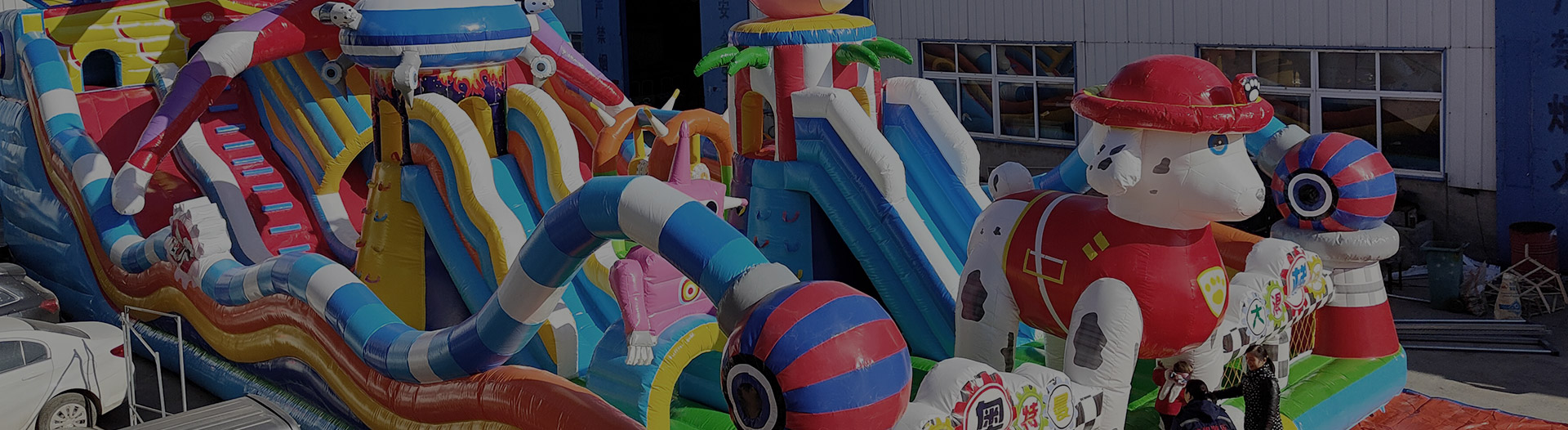
Outdoor rides require heavy-duty weather-resistant materials, structural reinforcement, and large land space. Additional mandatory costs include site grading, safety fencing, drainage systems, permits, land leases, and professional inspections. These factors drive high initial investment and prolong pre-opening preparation, delaying revenue generation.
Indoor Amusement Equipment: Predictable, Low Barrier Costs
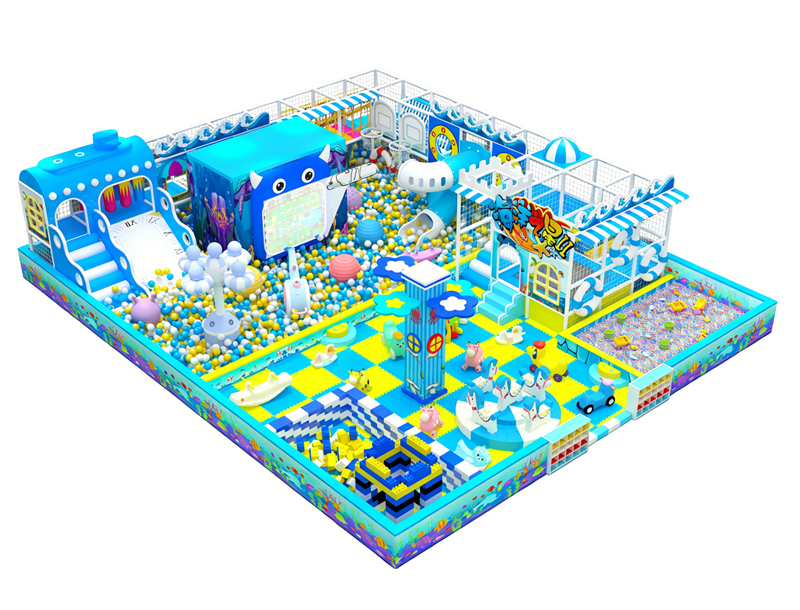
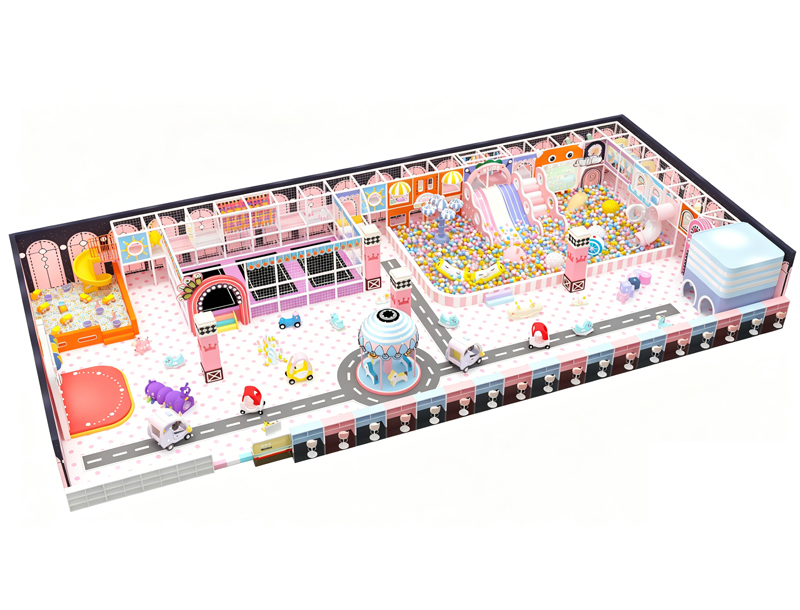
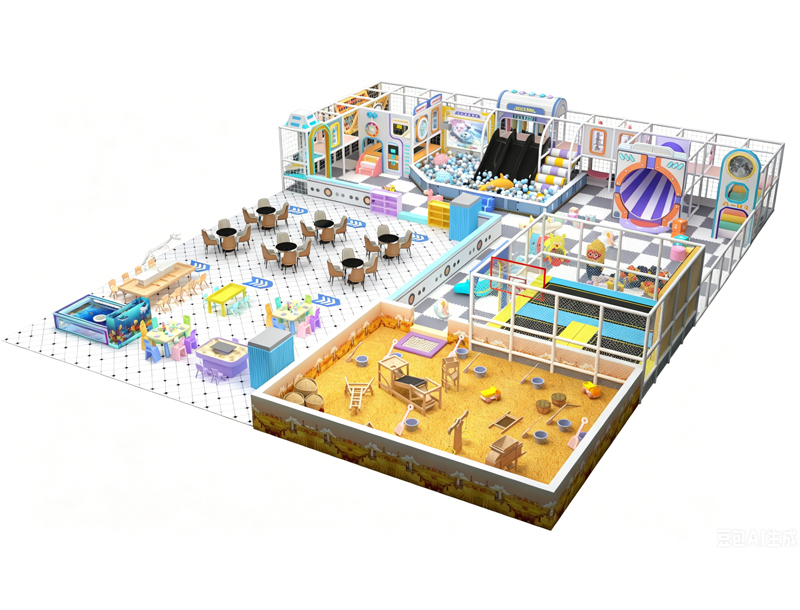
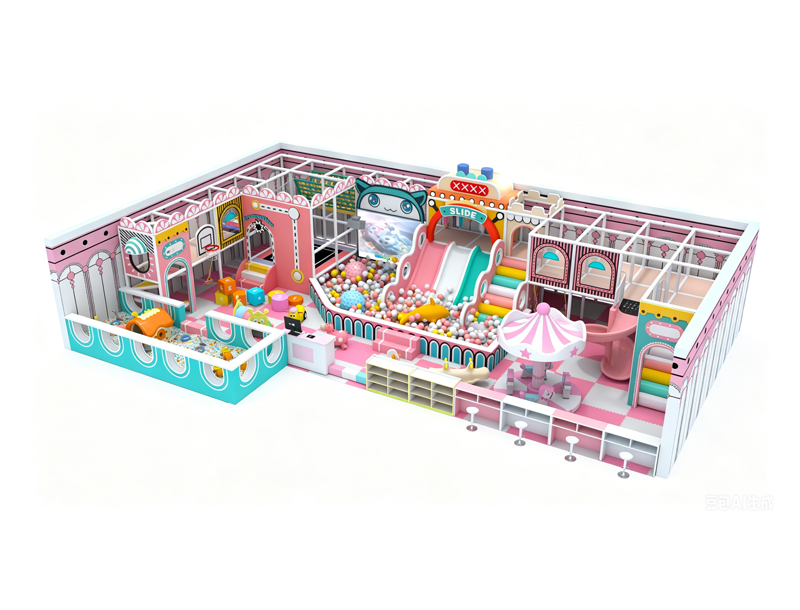
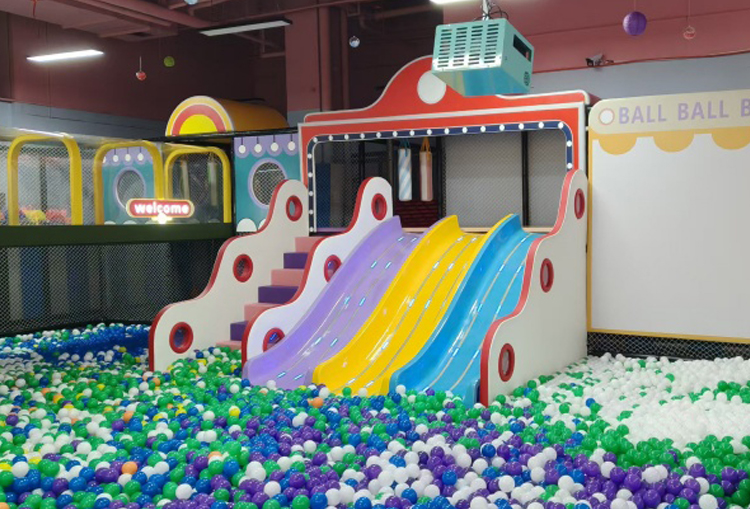
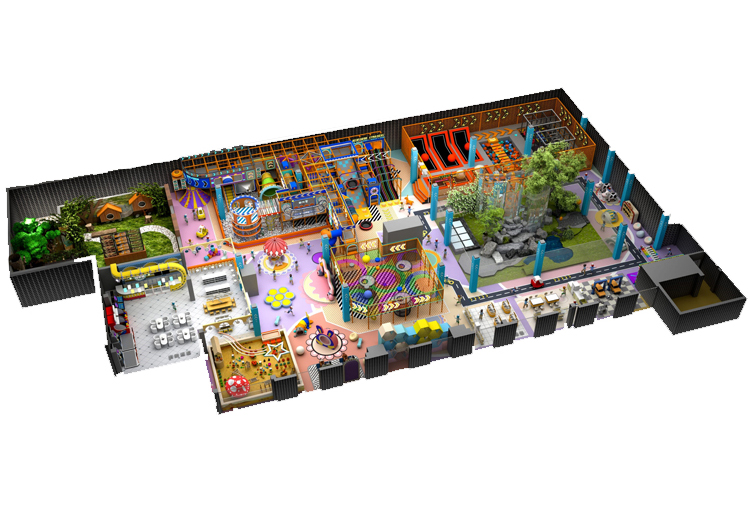
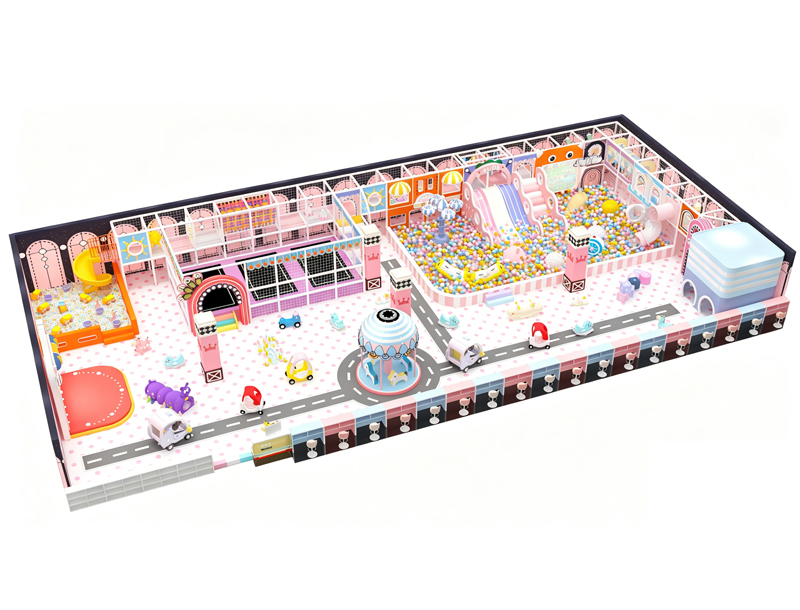
Designed for malls and family entertainment centers (FECs), modular indoor equipment utilizes existing indoor infrastructure, eliminating expensive outdoor construction upgrades. It supports phased investment and flexible expansion, lowering entry thresholds for new operators. Most indoor venues launch far faster, turning profits weeks or months earlier than outdoor projects.
2. Maintenance & Operational Costs
2026 amusement industry data confirms outdoor equipment incurs annual maintenance costs of 10–15% of its initial investment, vastly higher than indoor alternatives.
Exposed to rain, UV rays, and extreme weather, outdoor facilities suffer rust, cracking, and electrical damage. Seasonal repairs, corrosion cleaning, post-storm fixes, and mandatory safety audits create recurring unexpected expenses and labor costs.
Indoor equipment operates in stable temperature and humidity conditions with zero weather-related wear. Requiring only daily basic cleaning and monthly routine inspections, it needs no frequent hardware replacements. Remote software updates extend equipment lifespan to 6–8 years, slashing long-term operational costs and boosting net profit margins.
3. Revenue Stability & Seasonal Risk
Seasonal volatility is the biggest ROI flaw for outdoor amusement venues. Outdoor parks depend entirely on good weather and tourist seasons, earning explosive peak revenue but facing severe off-season declines. Extreme climates can leave outdoor venues with months of zero operating days yearly. Fixed overhead costs during idle periods drastically compress annual net ROI.
In contrast, indoor amusement facilities deliver 365-day weather-proof revenue. Located in high-traffic commercial malls, they capture steady local foot traffic year-round. Beyond standard ticket sales, they generate diversified income from memberships, birthday packages, and parent-child activity bookings. Indoor FECs boast a reliable 12–18 month payback cycle, while outdoor venues see inconsistent returns ranging from 6 months (prime tourist zones) to over 2 years (variable climate areas).
4. Customer Retention & Profit Sustainability
Outdoor amusement parks primarily target seasonal tourists with low one-time visit repurchase rates. They rely on high ticket prices and temporary crowds, lacking stable customer loyalty and requiring constant new customer marketing spending.
Indoor venues focus on local families and young visitors with high-frequency repeat consumption. Membership plans and customized services greatly improve customer stickiness. Lower customer acquisition costs and stable repeat traffic lay a solid foundation for long-term high ROI.
5. Safety Risks & Hidden Losses
Complex mechanical structures and weather exposure make outdoor rides prone to safety hazards, requiring professional teams for frequent inspections and raising labor costs. Accidents may cause shutdowns, compensation claims, and brand damage.
Indoor equipment features safe, simple soft-play designs and stable operating environments with minimal accident risks. Low safety management thresholds eliminate hidden operational losses, ensuring sustainable profit output.
When Outdoor Equipment Offers Higher ROI
Outdoor equipment outperforms indoors in specific high-return scenarios: coastal tourist cities with year-round mild weather, large-scale theme park projects needing landmark visual attractions, and venues with low-cost abundant land resources. These scenarios leverage outdoor equipment’s peak traffic and brand advantages for strong short-term ROI.
Final 2026 ROI Verdict
For 80% of SME venues, mall FECs and urban family entertainment centers: indoor amusement equipment delivers higher, more stable long-term ROI with lower risk.
For scenic resorts, tourist destinations and large theme parks: outdoor equipment achieves stronger short-term peak revenue.
The optimal 2026 strategy is a hybrid model: use indoor equipment as stable basic revenue support, plus a small number of outdoor signature rides to boost brand influence and capture peak-season traffic.
FAQs
Q1: Are indoor playgrounds profitable year-round?
Yes. Indoor venues are weather-independent, maintaining stable traffic and revenue without seasonal off-season losses.
Q2: What’s the payback period for indoor amusement equipment?
Standard mall indoor parks average a 12–18 month payback cycle with low operational risk.
Q3: Why do outdoor parks have high turnover but low net profit?
High upfront investment, seasonal maintenance fees, weather idle losses and high safety costs erode most gross profits.
Q4: What’s the best investment mix for new venues?
Prioritize low-risk indoor equipment for steady base revenue, supplemented by 1–2 outdoor signature projects per local traffic and climate conditions.
Amusement equipment ROI hinges on stability and sustainability, not just peak revenue. Indoor amusement equipment remains the most cost-effective, low-risk choice for most urban venues in 2026, thanks to low maintenance, year-round cash flow and high customer retention. Outdoor equipment suits only specialized tourist and scenic scenarios. Matching your equipment selection to venue location, budget and traffic traits will maximize your long-term investment returns.