Indoor Soft Playground vs. Trampoline Park: Which Is Safer for Kids?
When choosing indoor entertainment for children, parents and operators often ask: Is an indoor soft playground safer than a trampoline park for kids? Both venues offer active fun, but their injury risks, design safety, and suitability for young ages differ greatly. For families and investors prioritizing child safety, understanding these differences is critical.
1. Core Safety Design: Soft Playgrounds Are Built for Protection
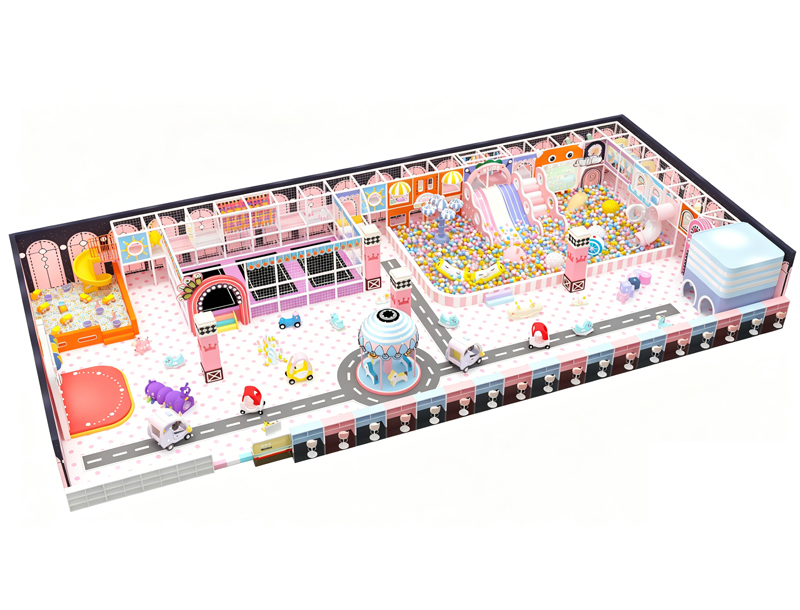
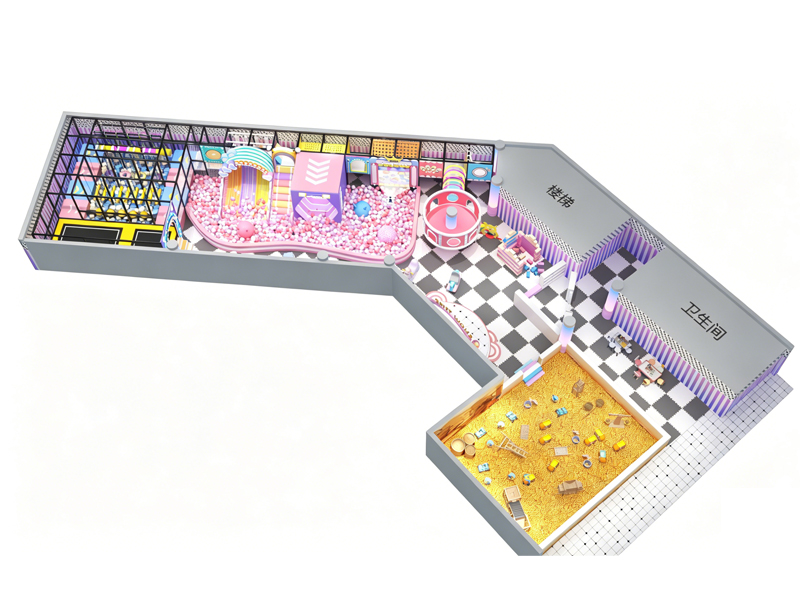
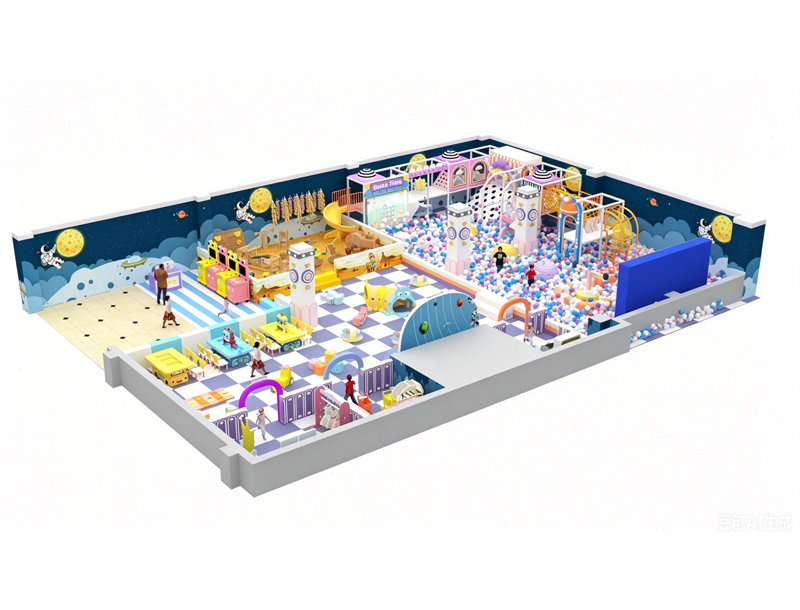
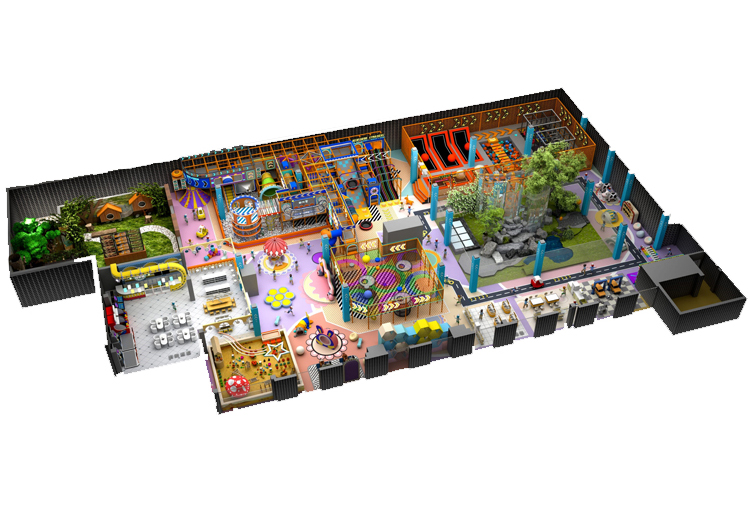
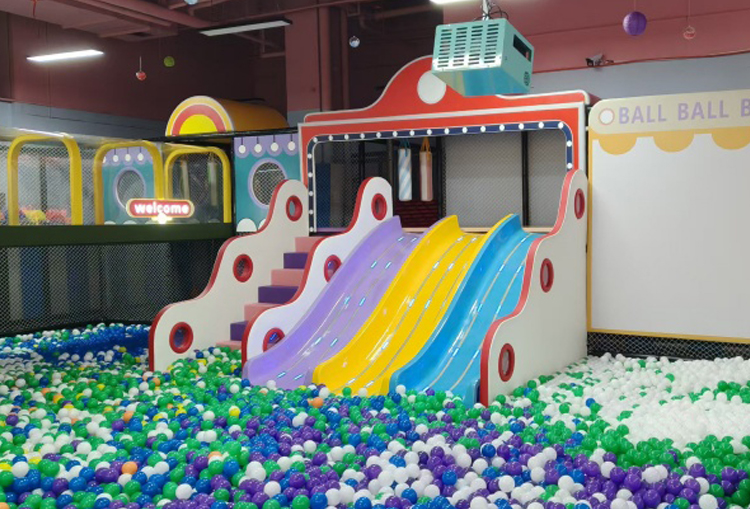
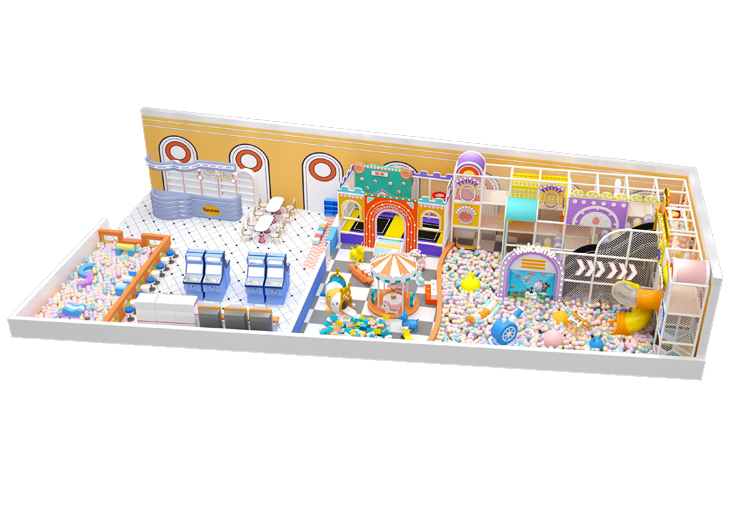
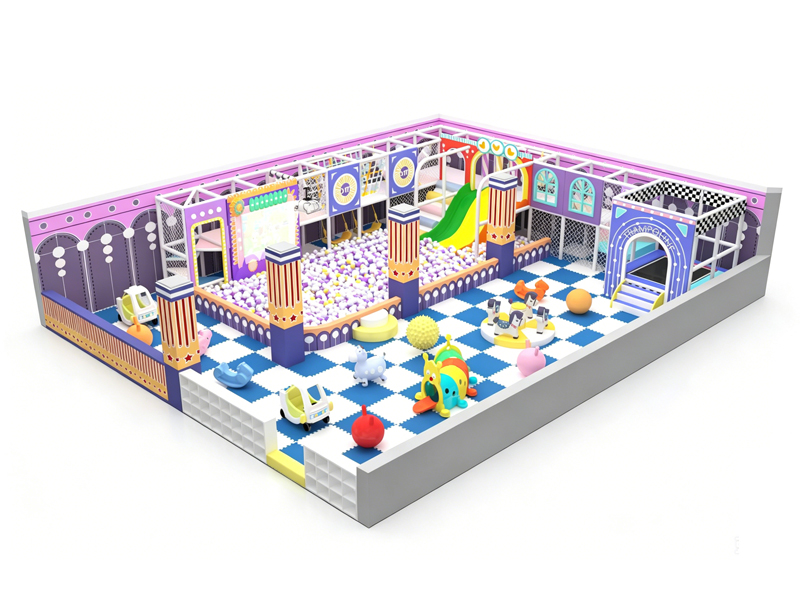
Indoor soft playgrounds are engineered with all-around soft safety as the top priority. Every surface—walls, slides, climbing structures, and floors—is covered in thick foam, rubber mats, or soft padding. There are no hard edges, metal frames, or sharp corners. Even tunnels, ball pits, and interactive zones use non-toxic, shock-absorbent materials that minimize impact from falls or collisions.
By contrast, trampoline parks rely on elastic jumping surfaces and steel frames. While modern parks use safety nets and padded edges, the high-impact nature of jumping creates unavoidable risks. The “double bounce” effect—where one jumper’s energy propels another higher—can cause awkward landings, leading to sprains, fractures, or even head injuries.
2. Injury Risk & Common Accidents
According to safety reports, trampoline parks have significantly higher injury rates than soft play areas. The U.S. Consumer Product Safety Commission (CPSC) records thousands of trampoline-related ER visits yearly, mostly involving:
Ankle and wrist sprains
Lower extremity fractures
Head concussions from collisions or falls
Neck/spinal injuries from flips or somersaults
In contrast, soft playground injuries are minor and rare, typically limited to small scrapes or bruises. The enclosed, padded environment prevents severe falls, and age-zoned design (toddler zones separate from older kids) reduces collision risks.
3. Age Suitability: Best for Toddlers & Young Children
For children under 6, soft playgrounds are far safer than trampoline parks. The American Academy of Pediatrics strongly discourages trampoline use for kids under 6 due to high fracture and head trauma risk. Soft play areas, however, are designed for ages 1–12, with dedicated toddler zones featuring low slides, gentle climbers, and crawl spaces that match young kids’ motor skills.
Trampoline parks are better suited for older kids (8+), but even then, strict rules (one jumper per trampoline, no flips) are required to reduce risk.
Safety Edge: Indoor Soft Playground (especially under 6)
4. Supervision & Operational Safety
Soft playgrounds allow easy parental supervision and even parent participation. Open layouts and low structures let caregivers see kids at all times, and many areas permit adults to join play, reducing unsupervised risky behavior.
Trampoline parks require trained staff to enforce rules, but monitoring multiple jumpers across large courts is challenging. Overcrowding, unsupervised flips, and mixed-age jumping (small kids with older, heavier jumpers) are common causes of accidents.
5. Why Choose a Trusted Manufacturer for Safe Indoor Play Equipment
Whether you operate a soft playground or a trampoline park, choosing a reliable, safety-focused manufacturer is non-negotiable. For investors and venue owners, Zhengzhou Huajin Amusement Equipment Co., Ltd. stands out as a top global supplier of safe, high-quality indoor and outdoor play equipment.
With nearly 20 years of industry experience, Zhengzhou Huajin Amusement Equipment Co., Ltd. is a professional manufacturer integrating R&D, design, production, installation, and after-sales service. The company operates a 15,000㎡ modern factory with over 100 staff (20%+ technical experts) and holds ISO 9001 certification, ensuring all products meet international safety standards like EN 1176 and ASTM F2970.
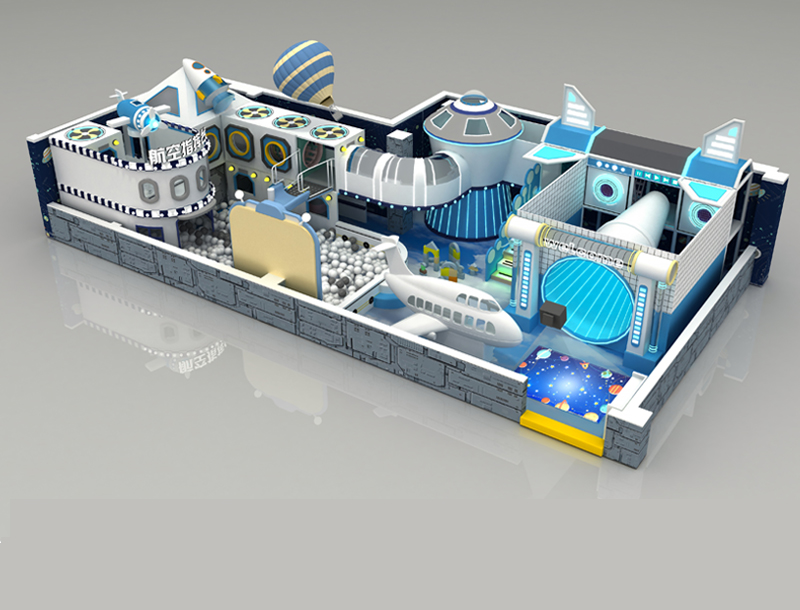
Specializing in custom indoor soft playgrounds, trampoline parks, non-powered outdoor equipment, and themed play solutions, Huajin Amusement delivers turnkey projects for shopping malls, family entertainment centers, and kindergartens worldwide. All soft play equipment uses food-grade, non-toxic materials with full padding, while trampoline parks feature reinforced frames, high-strength safety nets, and impact-absorbing mats. With 48-hour after-sales support and 3,000+ successful projects globally, Huajin Amusement ensures safety, quality, and fun for kids of all ages.
Final Verdict: Which Is Safer for Kids?
For children under 6, families prioritizing low injury risk, and venues targeting toddlers, indoor soft playgrounds are definitively safer than trampoline parks. They offer gentle, supervised, and low-impact play with minimal accident risk. Trampoline parks can be safe for older kids (8+) with strict rules, but they carry higher inherent risks.
If you plan to build an indoor play venue, partner with Zhengzhou Huajin Amusement Equipment Co., Ltd. for customized, safety-certified solutions that protect kids while maximizing fun.