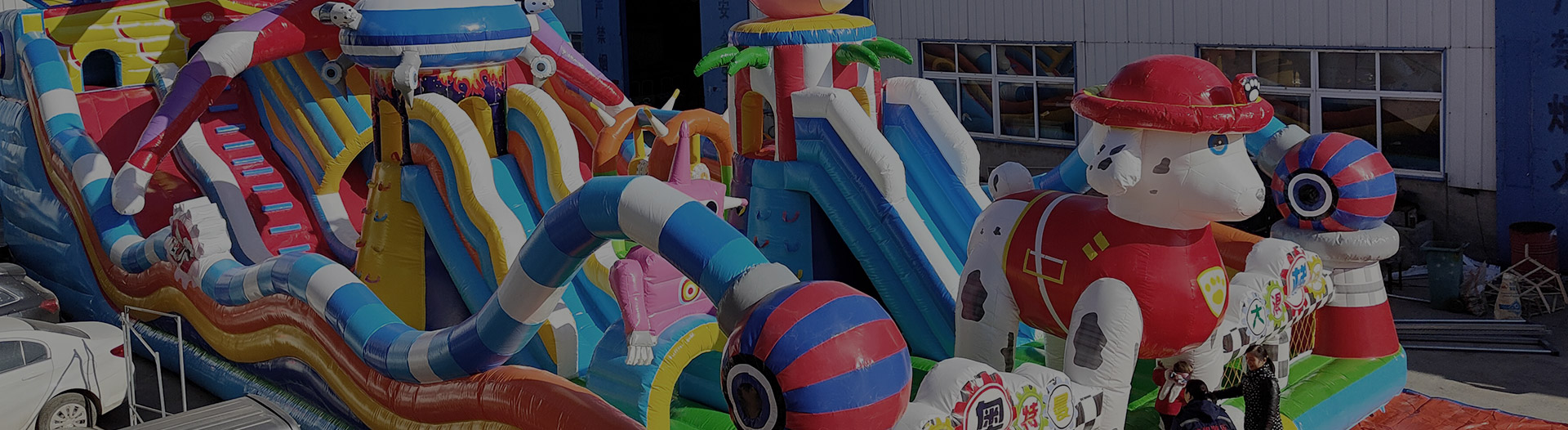
Inventory of Internet celebrity non-standard non-powered amusement equipment, popular projects suitable for parent-child parks
With the continuous evolution of family-oriented travel and outdoor leisure activities, an increasing number of investors are turning their attention to distinctive recreational attractions. As visitor expectations rise, traditional slides and swings no longer suffice; today, the most popular attractions are those that are visually striking, highly interactive, and "shareable"—often becoming viral hits on social media. Among these, non-powered amusement facilities have emerged as a popular choice for family parks, tourist attractions, public parks, and farms, thanks to advantages such as flexible investment requirements, low maintenance costs, and engaging visitor experiences.
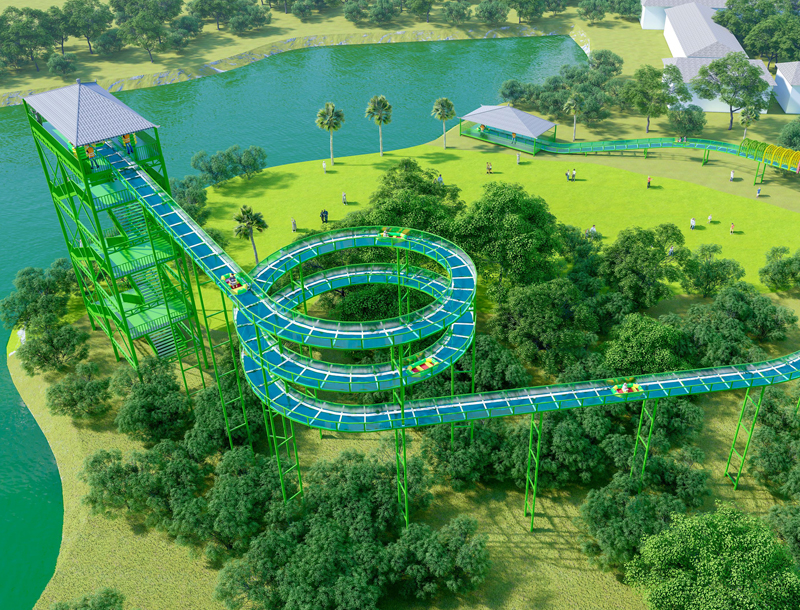
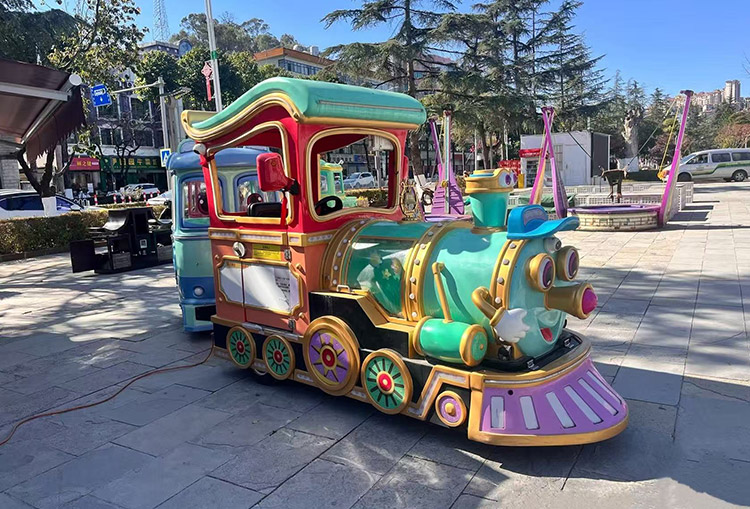
Non-standard, non-powered amusement equipment are attractions custom-designed based on the site environment, thematic concept, and visitor needs. Compared to standard amusement equipment, they place greater emphasis on creativity and the visitor experience; by creating unique settings, they attract visitors and boost both the park's popularity and consumer spending.
1.The Viral Rainbow Slide: A Powerful Magnet for Visitors
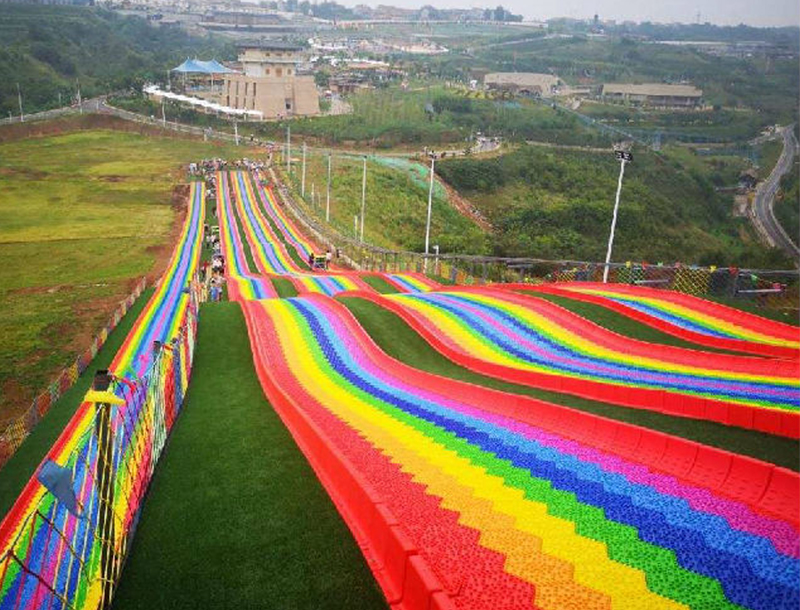
The rainbow slide is currently one of the most popular non-motorized attractions. With its vibrant colors and exceptionally long track, it offers a simple yet engaging experience while possessing strong visual appeal.
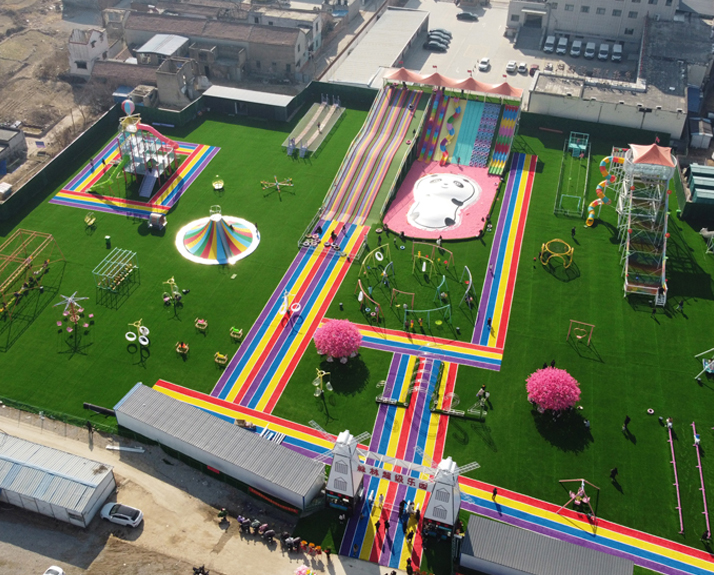
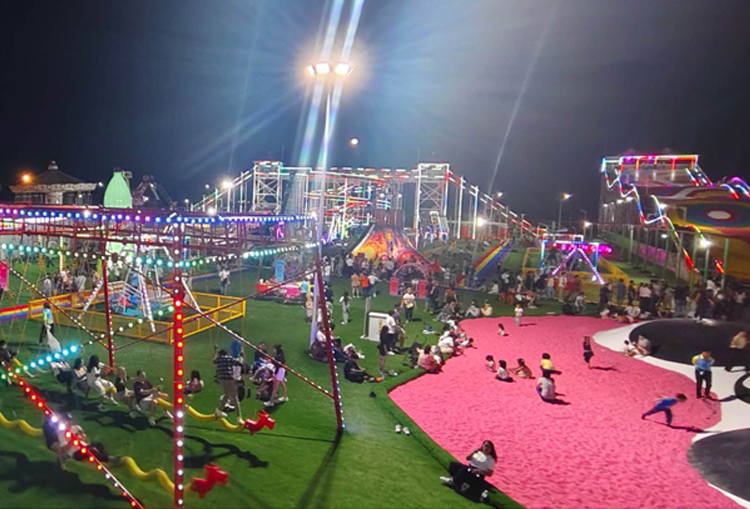
Consequently, visitors frequently take photos and videos to share on social media, generating significant organic traffic for the attraction. Moreover, the slide’s height and length can be customized to suit specific site conditions, making it an ideal choice for scenic areas, large theme parks, and commercial districts.
2.Non-powered climbing challenges enhance the interactive experience.
As parents increasingly value their children's physical coordination and spirit of exploration, non-powered climbing attractions have become widely popular among both parents and children.
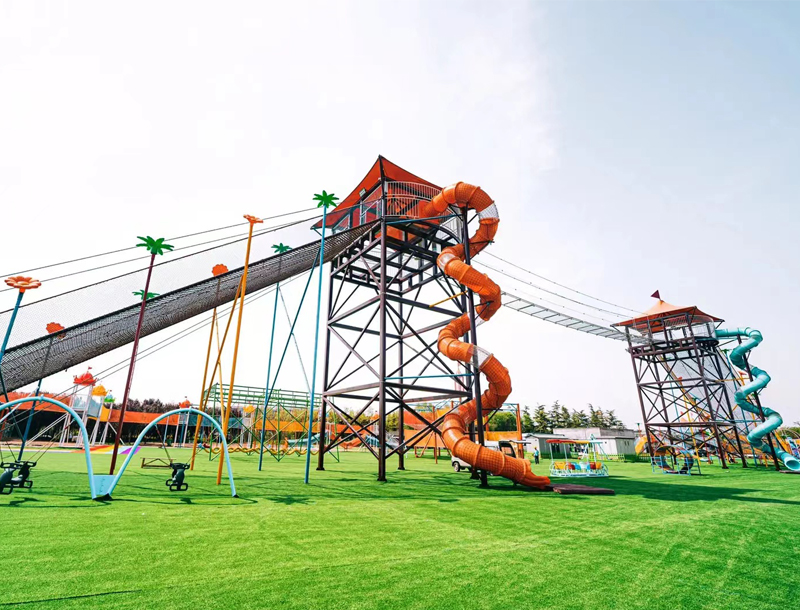
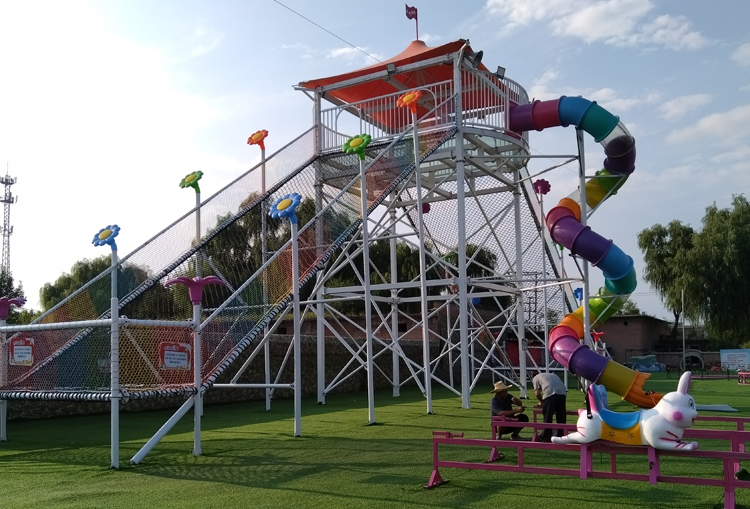
Activities such as jungle obstacle courses, warrior-style challenge courses, climbing walls, and "viral" swaying bridges allow children to improve their physical coordination through climbing, leaping, and balancing exercises.
These attractions are highly interactive and accommodate multiple participants simultaneously, making them ideal for creating parent-child challenge zones.
3.Viral-style swings can enhance visitor engagement.
Traditional swings offer limited ways to play, whereas modern "viral-style" swings place greater emphasis on parent-child interaction.
Equipment such as multi-person swings, parent-child swings, and swing arrays appeals not only to children but also allows parents to join in the fun. Their unique designs and interactive nature make them popular attractions for visitors looking to take photos and share their experiences on social media.
For community parks and small family-oriented playgrounds, this type of equipment requires minimal space and offers flexible investment options, making it an excellent choice for boosting popularity.
4.Creating Distinctive Parks through Themed, Custom-Designed Equipment
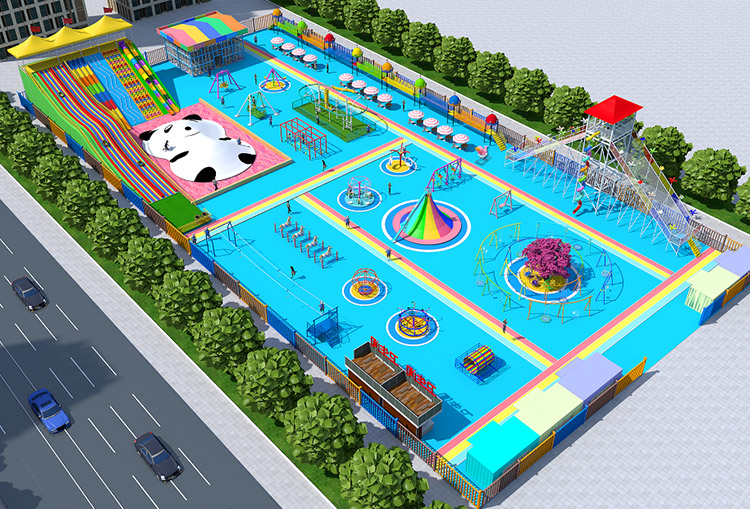
Successful family-oriented parks today go beyond merely installing a few pieces of equipment; instead, they create a cohesive, immersive themed experience.
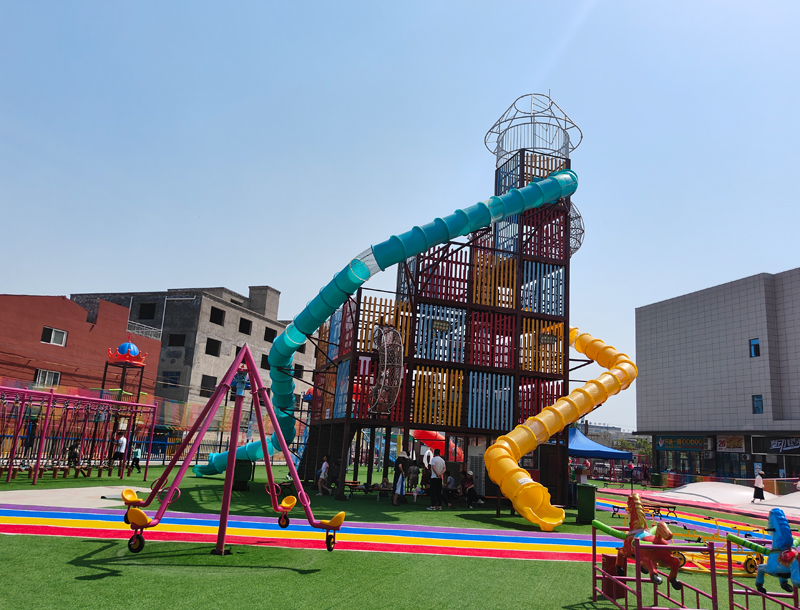
Themes such as forest adventures, ocean worlds, fairytale castles, and space exploration can be integrated with large slides, climbing towers, and interactive installations to offer visitors a truly immersive experience.
Distinctive design helps reduce competition based on homogeneity and makes it easier to establish the park as a popular local destination.
5.Inflatable "Bounce Clouds" and Sand-and-Water Play Areas: Enriching the Visitor Experience
In addition to large-scale challenge attractions, it is equally important to provide interactive equipment suitable for younger children.
Features such as inflatable "bounce clouds," children's sand pits, water play equipment, and interactive projections can foster parent-child interaction and extend the time visitors spend at the site. Combining sand and water play with non-powered equipment is particularly effective in creating popular recreational settings for families during the summer.
When selecting non-powered amusement equipment, one should look beyond mere aesthetics; safety, durability, and overall planning are the factors that truly matter. A family-oriented park capable of attracting visitors in the long run requires a strategic mix of equipment tailored to the site size, target audience, and operational model.
As family-oriented consumption continues to evolve, distinctive, non-standard, non-powered amusement facilities will become a key avenue for parks to boost their competitiveness. Through unique designs and innovative play experiences, investors can create outdoor attractions that are both more appealing and more profitable.