What equipment is included in a New Zealand mountain cart?
In recent years, mountain carts have become a popular attraction at scenic spots, mountain parks, and outdoor tourism destinations. When purchasing this type of equipment, many investors want to know exactly what is included in the set and whether the track layout—including curves—can be customized to fit the specific site. Let’s break it down in simple, straightforward terms.
What equipment is included in a New Zealand mountain cart system?
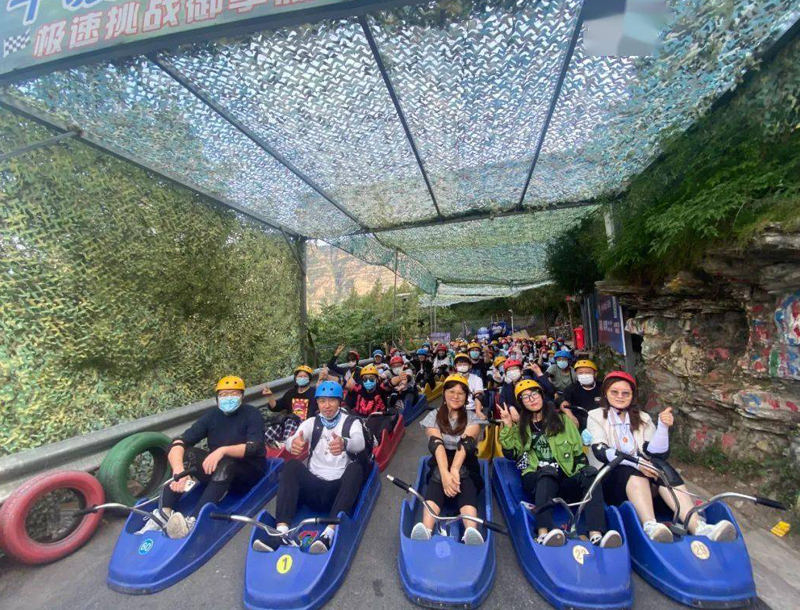
1. Mountain Carts
The cart is the core of the entire attraction and typically comprises a frame, seat, steering mechanism, and braking system. Riders pilot the cart down the track, using the controls to manage speed and direction. When purchasing, key factors to consider include braking performance, structural quality, and daily maintenance requirements.
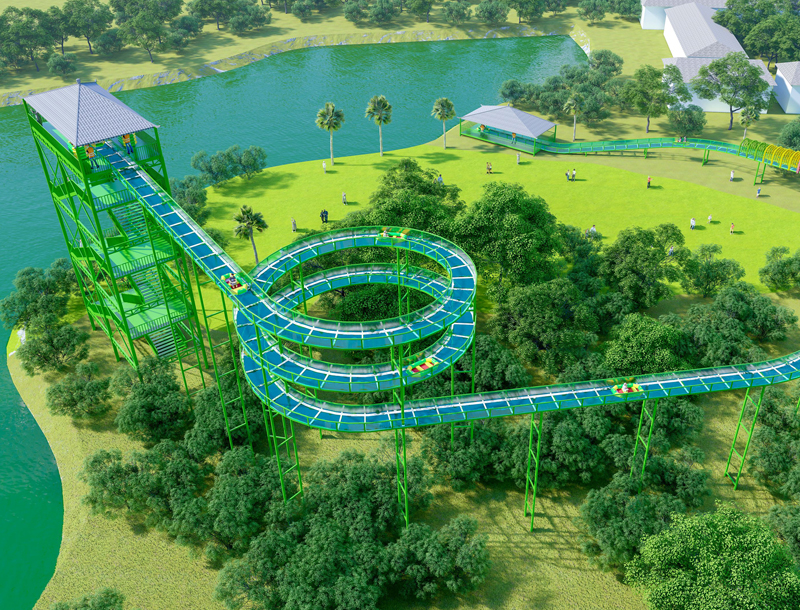
2. Cart Track
The track defines the rider's experience; routes can be designed to include straightaways, S-curves, and continuous bends based on the mountain terrain. Track length, gradient, elevation change, and turning radii must all be carefully planned in accordance with site conditions.
3. Uphill Transport and Cart Retrieval Systems
The operation requires a method for returning both riders and carts to the starting point. Depending on site conditions and the chosen equipment solution, appropriate transport systems or cart retrieval facilities can be installed; specific configurations should be discussed with the manufacturer in advance.
4. Safety and Ancillary Facilities
In addition to the carts and track, facilities such as start and finish zones, safety barriers, warning signage, visitor waiting areas, and equipment maintenance zones must be considered. Investors should verify the equipment list, scope of installation, and associated costs during procurement to avoid budget overruns later on.
Can New Zealand-style luge tracks be customized with curves?
Yes, they can. These tracks can typically be customized based on the site's terrain and the project's specific positioning.
If the scenic area features a large mountainous expanse, the layout can incorporate continuous curves, S-bends, and varying gradients to provide visitors with a richer sliding experience. For narrower or elongated sites, the route can be designed to integrate with the terrain, thereby maximizing space utilization.
However, more curves do not necessarily equate to a better track. Design plans must comprehensively consider factors such as sliding speed, gradient, turning radius, sightlines, drainage, and safety measures. It is recommended to conduct a site survey first and have a professional team develop the track plan to ensure the design meets all relevant safety standards.
What should be considered when purchasing New Zealand zip line trolleys?
First, assess whether the manufacturer possesses actual capabilities in production, design, and project delivery; you may request to see examples of past projects.
Second, evaluate the equipment specifications, braking system, track structure, and safety protection measures—do not base your decision solely on the price of the equipment.
Additionally, calculate the costs for track construction, foundation work, transportation, installation, and ongoing maintenance in advance, and familiarize yourself with the local approval and operational requirements for the project site.
How to Choose a New Zealand-Style Gravity Cart Manufacturer?
Zhengzhou Huajin Amusement Equipment Co., Ltd. offers consultation and customization services for amusement equipment. Scenic areas and cultural tourism investors planning to develop mountain gravity cart projects can discuss equipment specifications and track layout plans in advance, taking into account site area, elevation differences, and investment budgets.
In summary, a complete New Zealand-style gravity cart system comprises not only the carts themselves but also the track, the uphill transport or retrieval system, and safety infrastructure. While track curves can be customized, the design must align with the actual terrain and professional engineering requirements. Thorough preliminary planning ensures a smoother process during the subsequent construction and operational phases.