Analysis of the Advantages of Viral Mountain Carts: A Non-Motorized Attraction That Drives Traffic and Goes Viral at Scenic Spots
As tourism consumption evolves, visitor expectations for scenic areas have shifted from simple sightseeing to a desire for activities that are fun, photogenic, and experiential. To boost their appeal, many scenic areas have begun introducing new types of outdoor recreational attractions; among these, the viral mountain coaster has emerged as a popular draw, thanks to its thrilling nature, engaging interactive experience, and low operating costs.
So, why have these viral mountain coasters attracted so much attention from investors in the scenic area sector?
First and foremost, they hold strong appeal for visitors.
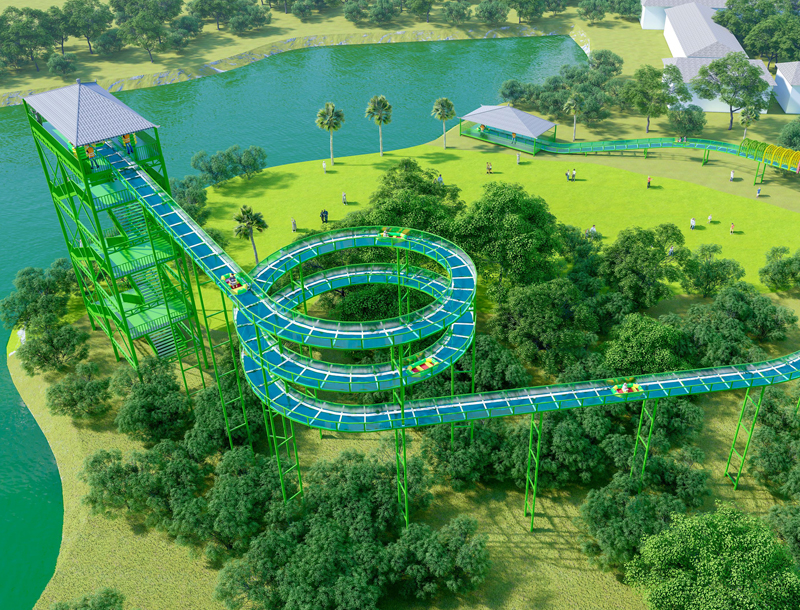
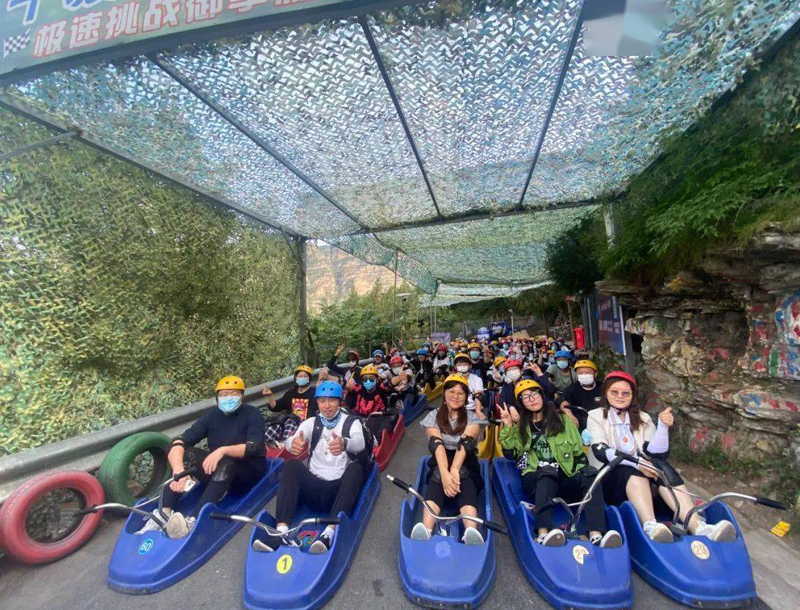
Traditional tourist attractions often focus primarily on sightseeing, offering visitors limited opportunities for active engagement. In contrast, popular mountain carts allow visitors to take the wheel themselves; as they race down a dedicated track from the summit to the base, they can experience the thrill of varying speeds and navigating sharp curves.
This "self-controlled speed" experience appeals not only to young visitors but is also ideal for families. Participating together fosters interaction and enjoyment, thereby enhancing visitor engagement and satisfaction.
Furthermore, these popular mountain carts are highly effective at driving visitor traffic to the attraction.
Many tourists today enjoy sharing their travel experiences on short-video platforms; a uniquely designed mountain coaster attraction can easily become a "must-visit" spot that draws visitors to share their experiences online. By capturing footage of the ride itself and the surrounding mountain scenery, tourists generate social media buzz that boosts the attraction's visibility and draws in more visitors.
For newly developed scenic areas, rural tourism projects, and eco-farms, introducing a buzz-worthy attraction can rapidly raise the project's profile and entice nearby tourists to come and experience it。
Third, the operating costs for these popular mountain coasters are relatively low.
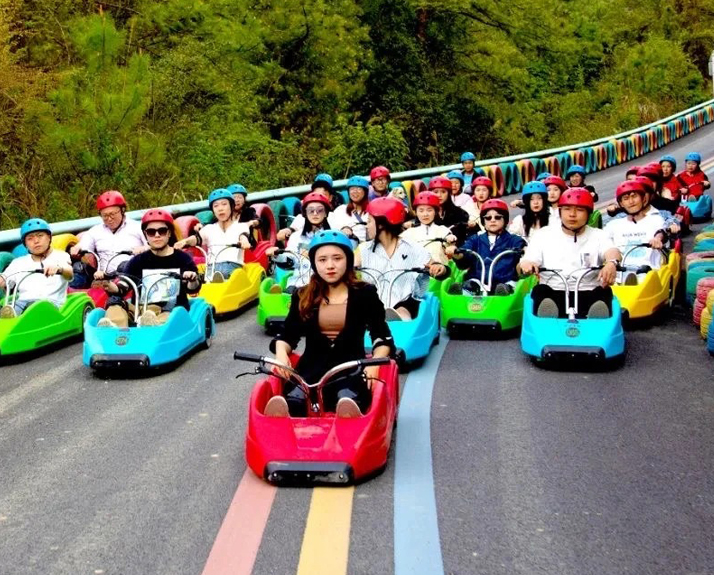
Compared to large-scale motorized amusement rides, mountain carts are non-motorized attractions; they do not require complex power systems and entail relatively low long-term maintenance costs. Furthermore, as the carts rely primarily on gravity for movement, daily energy consumption is minimal, making them well-suited for long-term operation within scenic areas.
Naturally, the development of a mountain cart attraction requires careful overall planning and layout. Factors such as the site's terrain, projected visitor volume, and operational positioning must be considered when designing the track length, gradients, number of curves, and safety features. The design must strike a balance between delivering an exciting experience for visitors and ensuring safe operation.
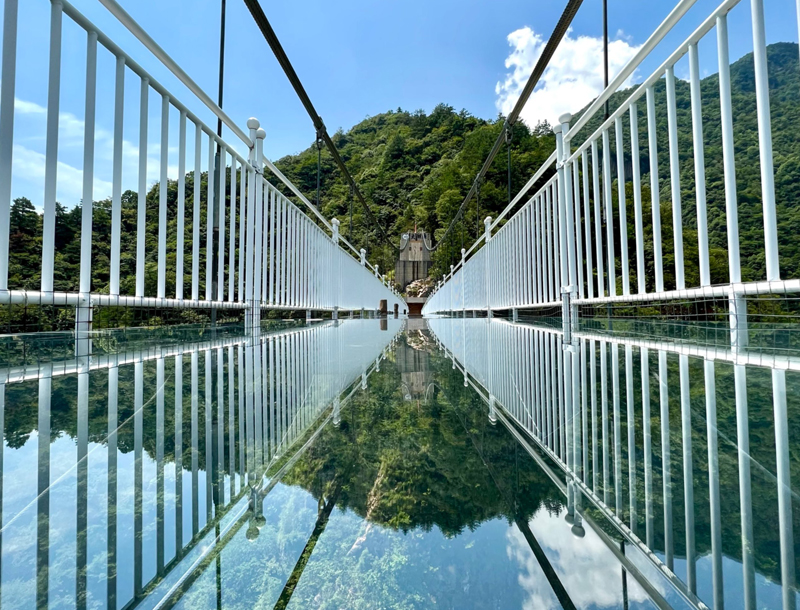
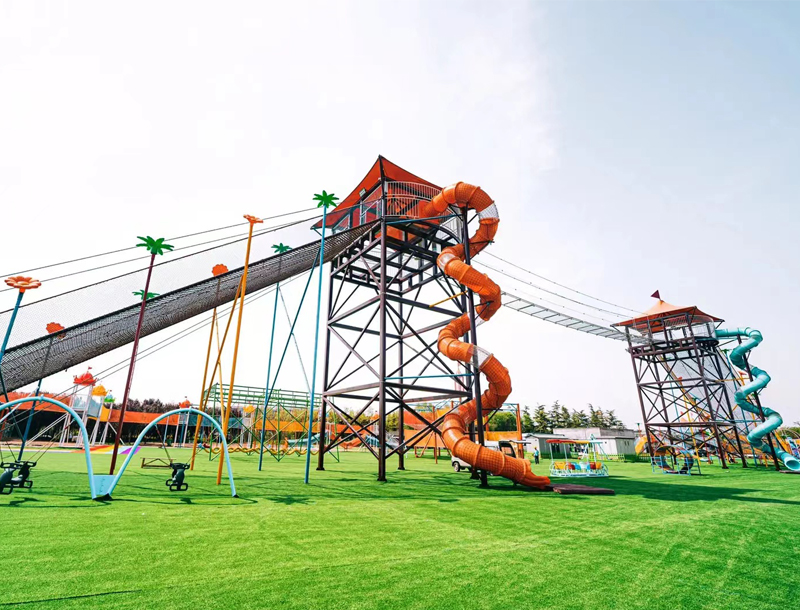
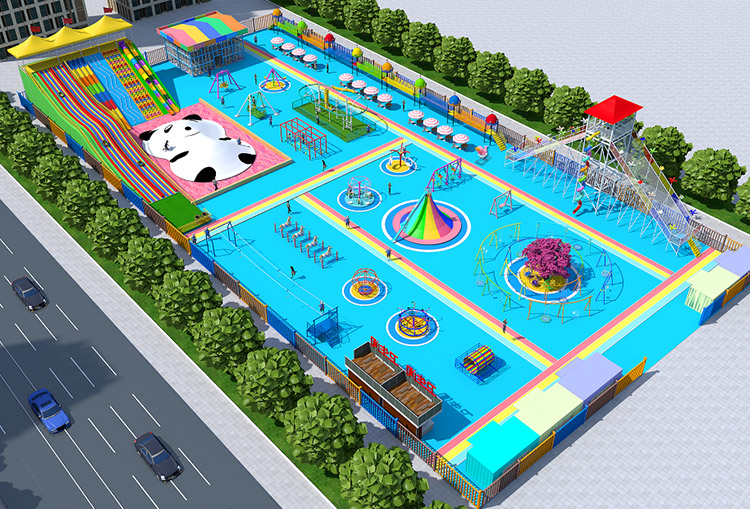
Beyond the ride itself, scenic areas can integrate these popular mountain carts with other attractions to create comprehensive visitor itineraries. By combining them with features such as glass water slides, jungle obstacle courses, non-motorized adventure parks, camping grounds, and family-friendly activity zones, operators can transform a "single-ride experience" into an "all-day outing," thereby extending visitor stay times and increasing opportunities for spending.
When selecting an equipment manufacturer, investors should prioritize product quality, design capabilities, and after-sales service. Reputable manufacturers do more than just produce equipment; they offer site-specific planning solutions that help scenic areas mitigate investment risks.
Zhengzhou Huajin Amusement Equipment specializes in the R&D and construction of outdoor attractions, boasting extensive experience in implementing non-motorized projects for scenic areas. Catering to the diverse needs of mountain resorts, forest parks, agritourism farms, and cultural tourism projects, the company provides comprehensive solutions for popular mountain carts. These services encompass site planning, visual design, equipment customization, installation, and after-sales maintenance, helping clients create market-competitive attractions that draw crowds.
In summary, the popular mountain cart is not merely an exciting outdoor amusement ride; it is a key attraction that boosts a scenic area's popularity and extends visitor dwell time. By integrating local natural resources with effective planning and operations, scenic areas can establish a source of long-term, stable profit growth.