For what types of cultural tourism projects are glass water slides suitable, and what should be considered before construction?
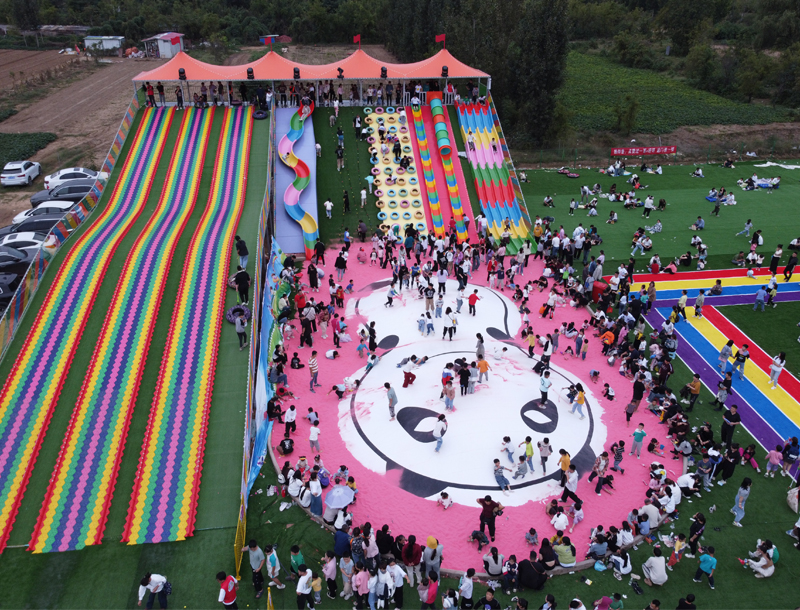
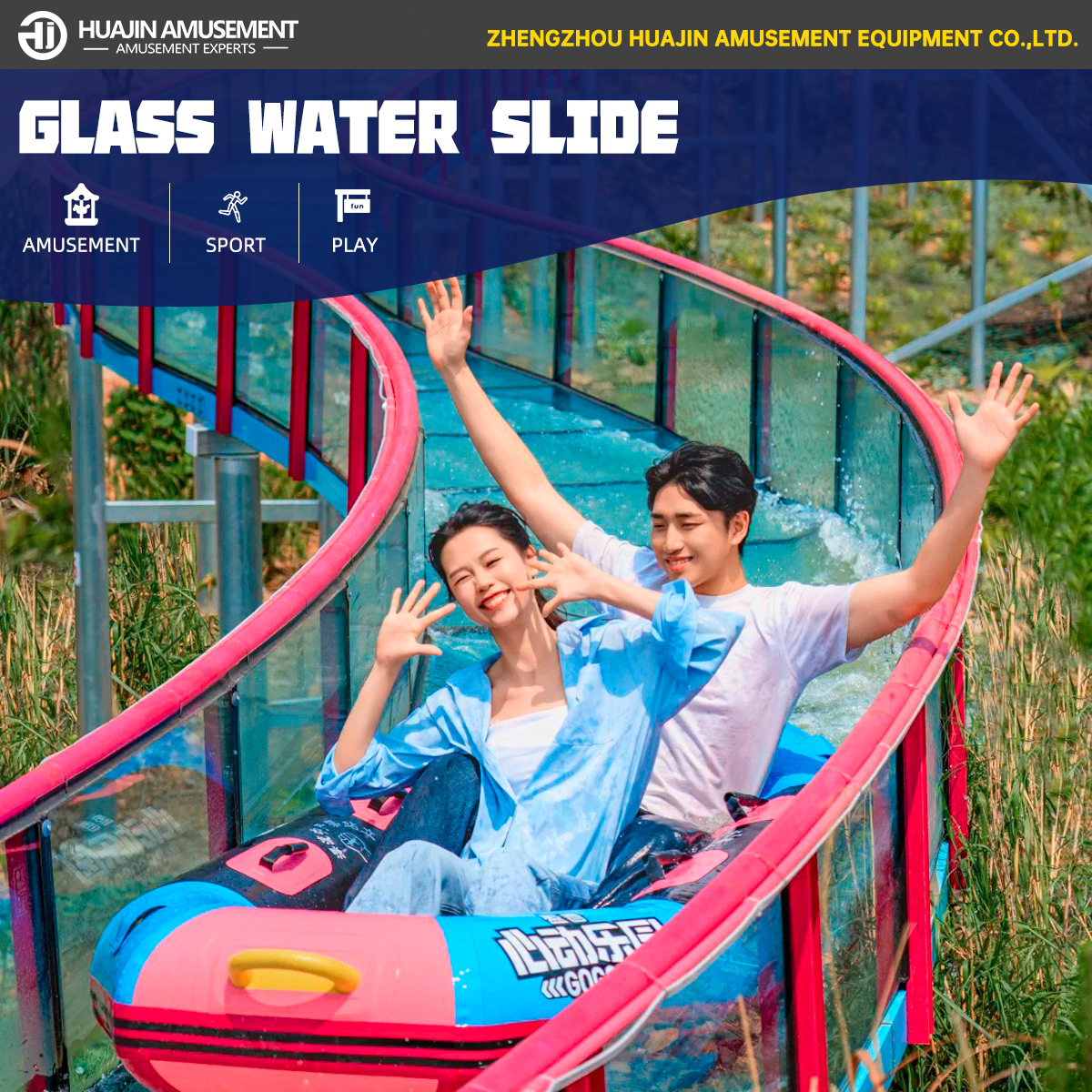
In recent years, cultural tourism attractions, agritourism farms, and mountain parks have been seeking new attractions to draw visitors, and glass water slides have emerged as a popular choice. This attraction combines water play, sliding, and natural scenery; visitors glide down from a height, experiencing the thrill of speed and the rush of water.
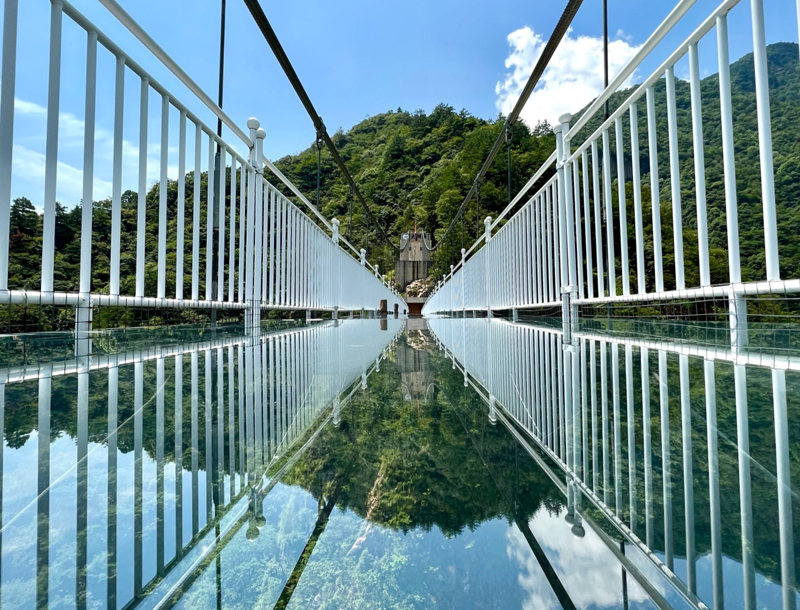
Another distinct advantage of glass water slides is their visual appeal. The transparent slides blend seamlessly with natural surroundings—such as mountains and forests—making them highly photogenic. Visitors often capture photos and short videos to share on social media, generating organic publicity. For the attraction itself, this enhances its status as a "must-visit" spot and boosts the project's visibility.
Why are glass water slides well-suited for cultural tourism projects?
First, they offer a rich visitor experience. Guests can enjoy playing in the water while simultaneously admiring the surrounding landscape. While the water-based activity provides a refreshing experience
in summer, operations can also continue during spring and autumn, depending on the local climate and specific project conditions.
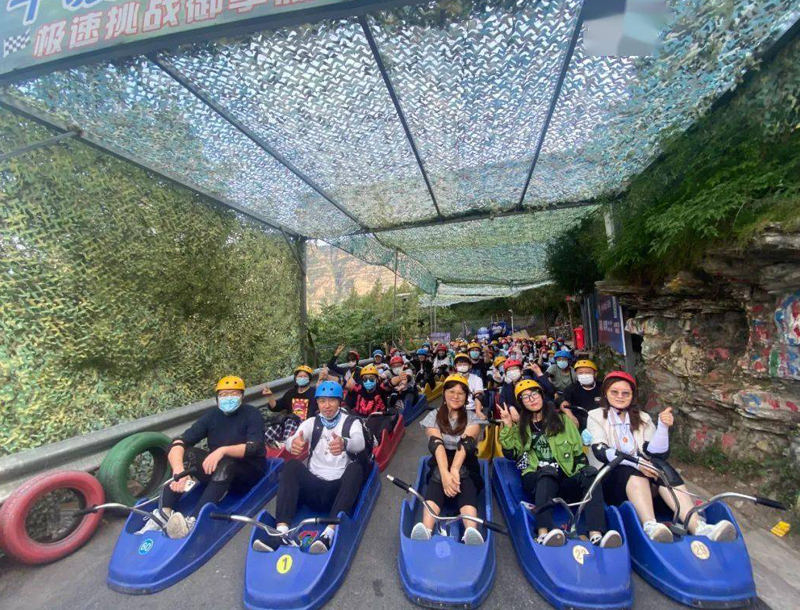
Second, glass water slides can be combined with other activities—such as mountain carts or jungle obstacle courses—to create a comprehensive mountain recreation circuit. This offers visitors a wider range of choices and encourages them to spend more time at the attraction.
Site Conditions Are Crucial for Glass Water Slide Construction
If a scenic area or agritourism farm already features natural mountainous terrain and a significant elevation drop, the slide can be designed to follow the natural slope; this not only utilizes the existing landscape but also allows the attraction to blend seamlessly with its surroundings.
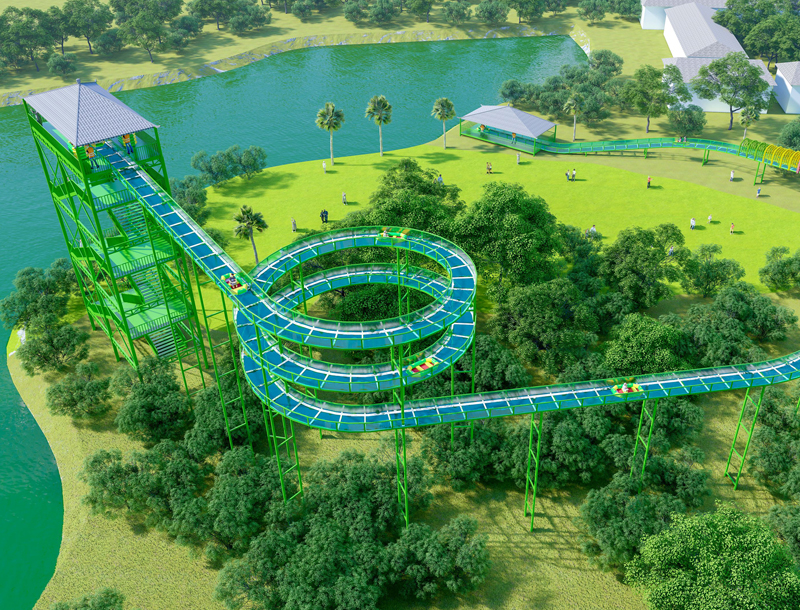
Constructing on flat ground, however, requires creating the necessary elevation difference—often through steel structures—which typically increases foundation and construction costs. Therefore, investors should not focus solely on equipment prices; it is best to conduct a site survey before finalizing the project plan.
Regulatory Reviews and Land Use Status Must Be Verified in Advance
Before building a glass water slide, it is essential to understand local regulations and requirements. As the project involves high-altitude operations, visitor load capacity, and structural safety, developers must complete the necessary administrative procedures and undergo required inspections in accordance with local laws.
Land use status is another critical factor; simply having an open plot of land does not guarantee that construction can proceed immediately. If the site involves forest or mountainous land, relevant zoning plans and approval requirements must be verified beforehand to avoid potential construction roadblocks later on.
Long-term operating costs must also be carefully calculated.
Once a glass water slide is completed, ongoing expenses will include equipment maintenance, track inspections, structural upkeep, labor, utilities, and daily safety management.
Large scenic areas typically prioritize high standards and visitor experience, making them suitable for long-distance glass water slides; conversely, small-to-medium-sized farms and outdoor parks can select smaller slides or ground-level water slide projects based on their specific site conditions and budgets.
If you are considering a glass water slide project, it is advisable to first assess the site, terrain, land-use status, projected visitor flow, and budget before proceeding with comprehensive planning.
Zhengzhou Huajin Amusement Equipment Co., Ltd. not only supplies glass water slide equipment but also offers one-stop services—including planning, design, manufacturing, and installation—tailored to the specific conditions of scenic areas, farms, and mountain parks to ensure a perfect match between the equipment configuration and the site.